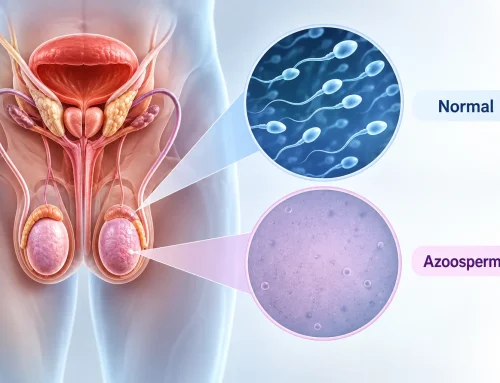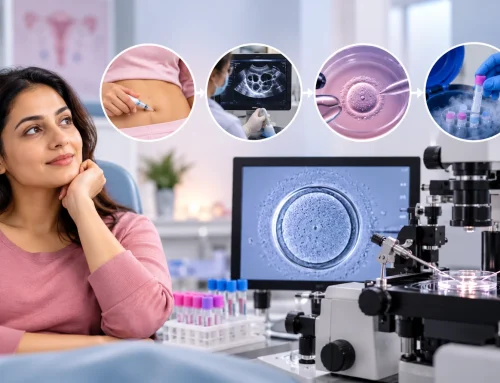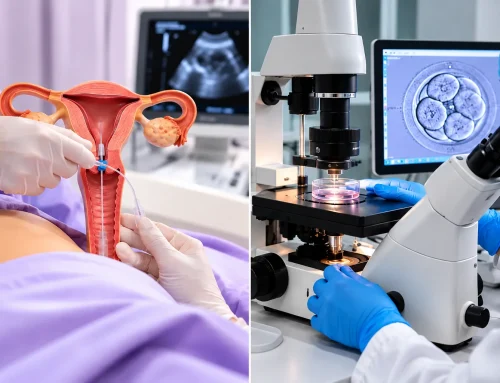
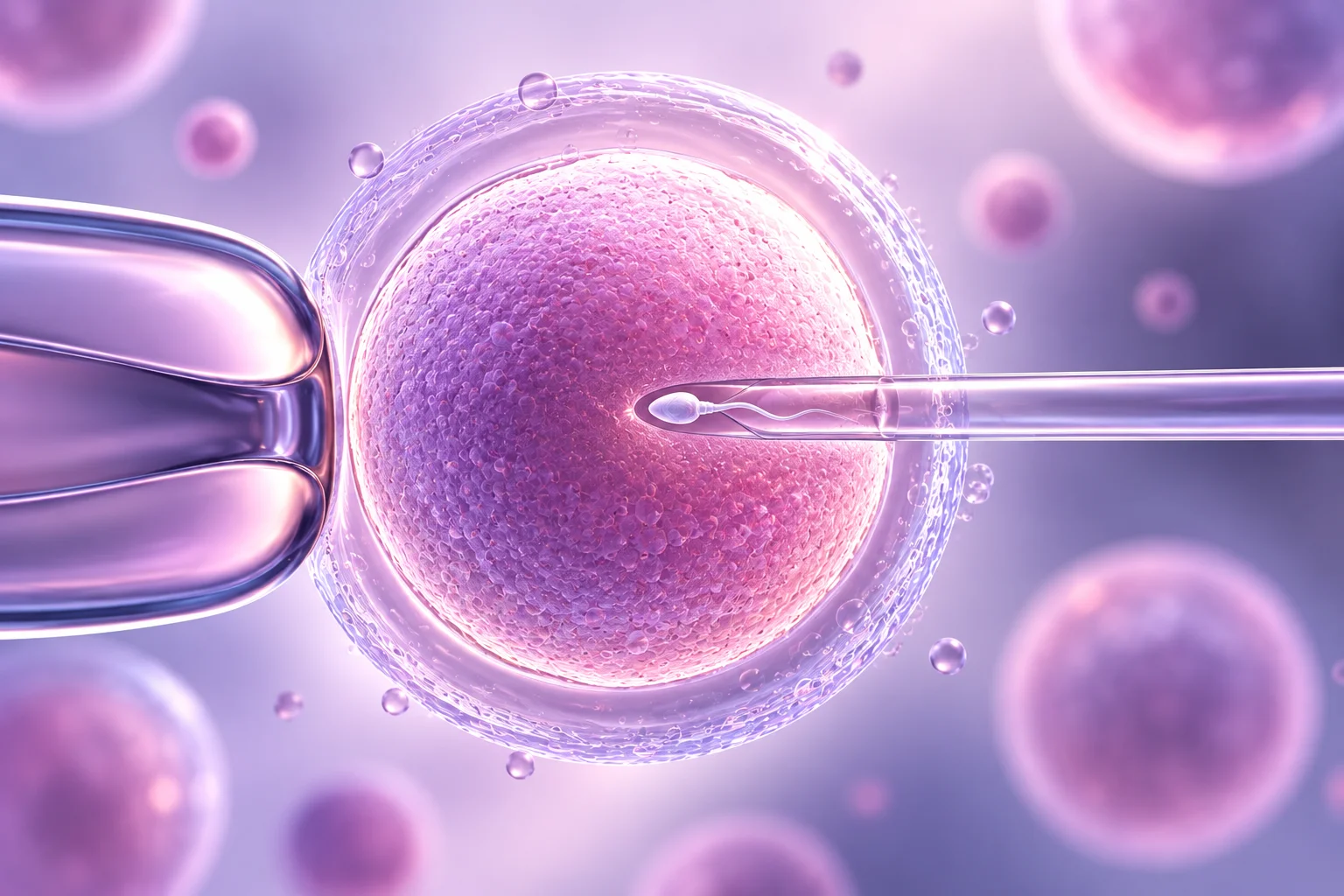
ICSI, or intracytoplasmic sperm injection, is an advanced fertility treatment used during IVF. In this procedure, a single sperm is injected directly into a mature egg to help achieve fertilization. ICSI fertility treatment is commonly considered when there are significant sperm-related fertility problems or when fertilization has failed or been very low during a previous IVF cycle.
Key Takeaways
- ICSI is performed as part of an IVF treatment cycle.
- A single sperm is injected directly into a mature egg.
- It is mainly used for certain male-factor infertility conditions.
- It may be considered after previous IVF fertilization failure.
- ICSI is not automatically necessary for every IVF patient.
- Your fertility specialist can recommend ICSI based on your test results and treatment history.
What Is ICSI?
ICSI stands for intracytoplasmic sperm injection. It is a laboratory technique used
during IVF to help sperm fertilize an egg.
During conventional IVF, eggs and sperm are placed together in a laboratory dish,
allowing fertilization to occur naturally. With ICSI, an embryologist selects a single sperm and carefully injects
it directly into the egg.
This approach can help overcome certain difficulties that may prevent sperm from
fertilizing an egg on its own. ICSI is therefore particularly useful when sperm count, movement, or shape may affect
fertilization. It may also be considered in certain female-factor situations where oocyte quality or egg
characteristics may make fertilization more difficult.
How Does ICSI Fertility Treatment Work?
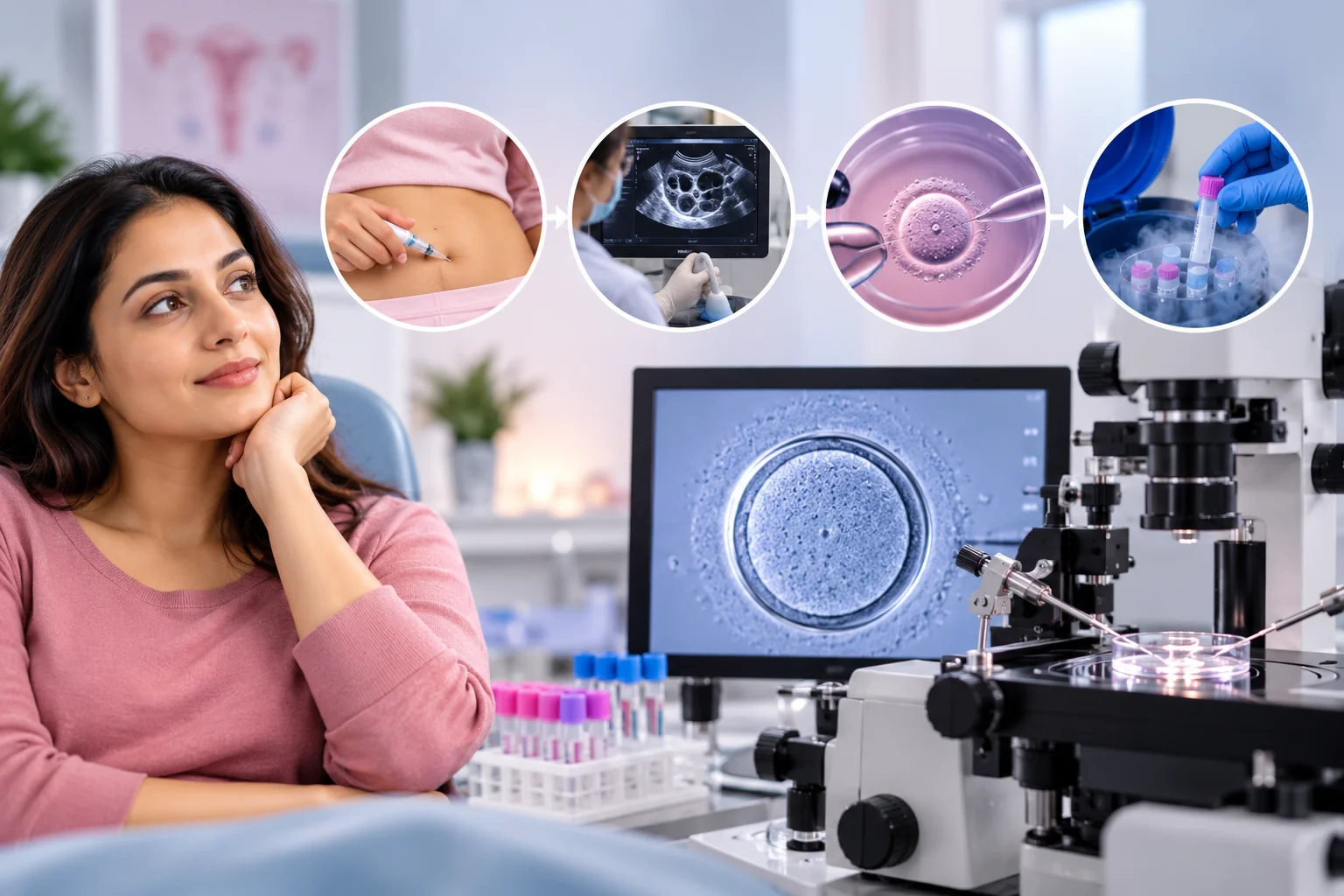
Although the fertilization step is different, the overall process is similar to IVF.
1. Ovarian stimulation
Medicines may be prescribed to encourage the ovaries to develop multiple mature eggs.
2. Egg retrieval
Once the eggs are mature, they are collected through a planned procedure.
3. Sperm collection
A sperm sample is usually collected on the same day. In some cases, sperm may need to be retrieved surgically if it cannot be obtained normally.
4. Sperm injection
The embryologist selects a suitable sperm and injects it directly into a mature egg.
5. Embryo development
The fertilized eggs are monitored in the laboratory as they develop into embryos.
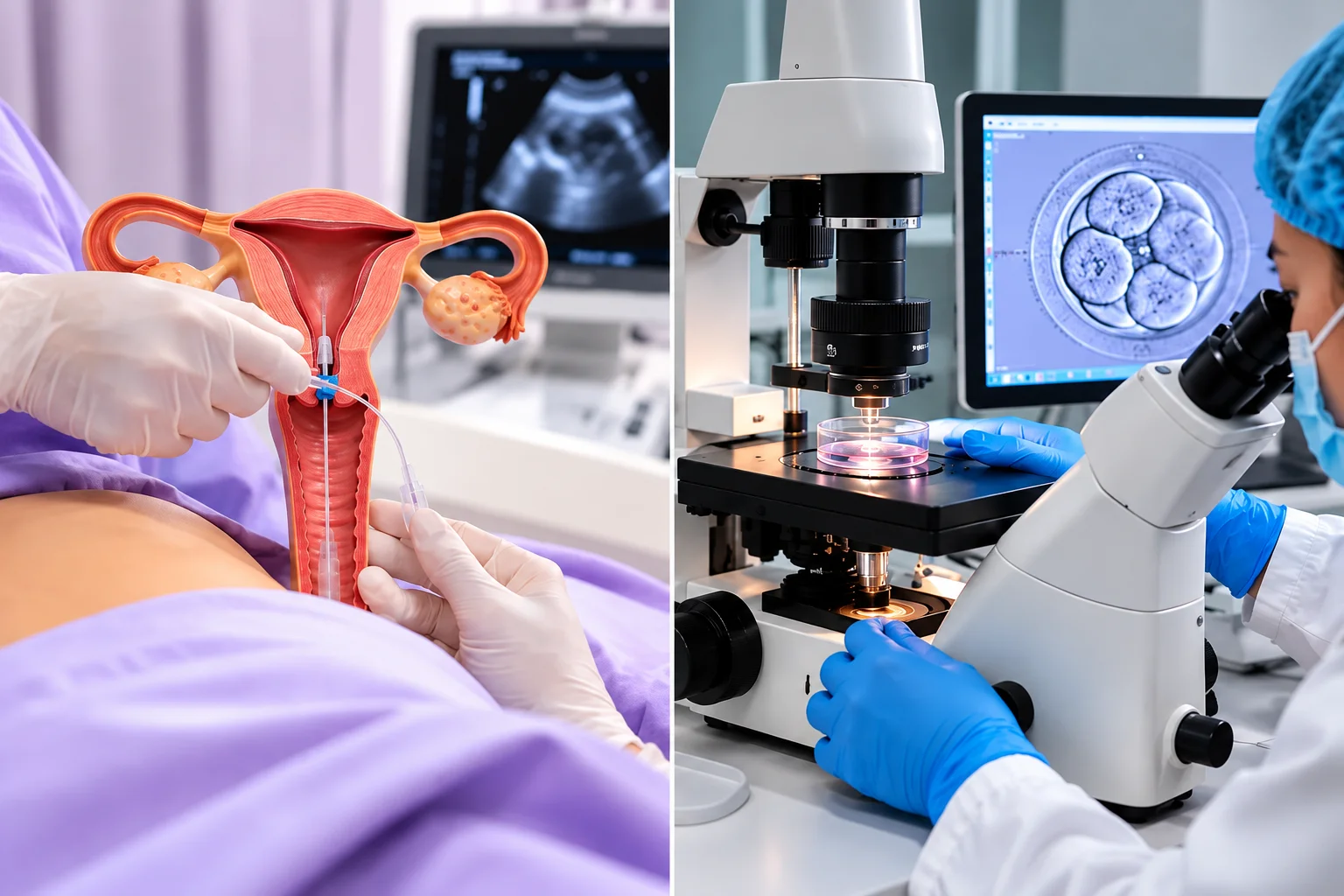
6. Embryo transfer
An appropriate embryo may then be transferred into the uterus according to the treatment plan.
When Is ICSI Recommended?
ICSI fertility treatment may be recommended in specific situations, particularly when there is a higher risk of difficulty with fertilization.
Common situations include:
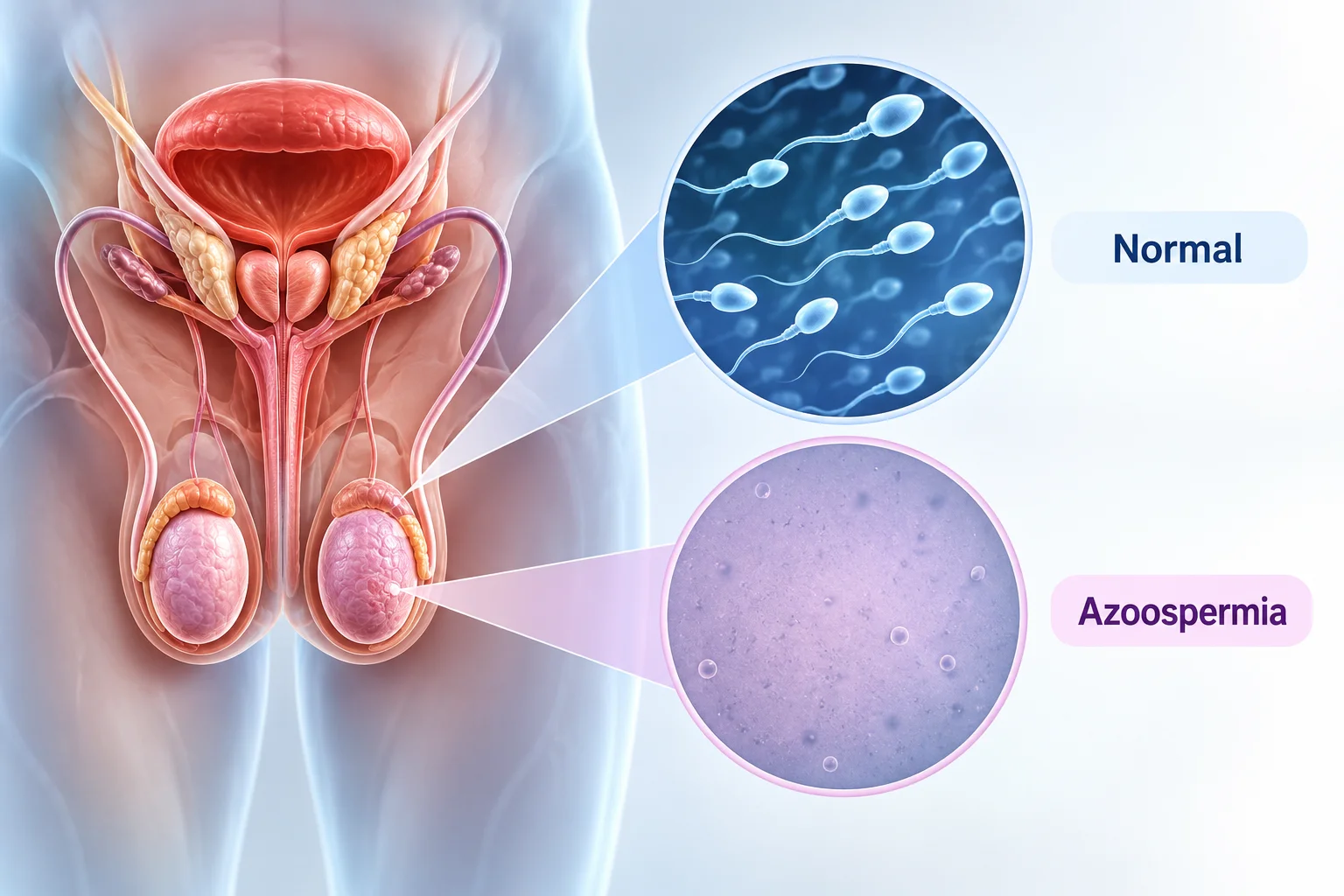
- Very low sperm count
- Poor sperm movement or motility
- Abnormal sperm shape or morphology
- Previous IVF cycle with very low or no fertilization
- Difficulty obtaining sperm through ejaculation
- Use of surgically retrieved sperm
- Certain cases involving frozen sperm
- Selected cases involving genetic testing of embryos
- Certain female-factor conditions, including PCOS/PMOS where oocyte quality is compromised
- Thick zona pellucida, which may affect the fertilization process
- Low AMH levels, in selected cases where ICSI may be considered as part of the fertility treatment plan
ICSI is especially established for male-factor infertility because directly injecting sperm into the egg can bypass some barriers to fertilization. However, it may also be considered in selected female-factor cases where egg-related factors may affect fertilization.
ICSI vs Conventional IVF: What Is the Difference?
The main difference is how fertilization takes place.
| Conventional IVF | ICSI |
|---|---|
| Eggs and sperm are placed together in a laboratory dish | One selected sperm is injected directly into the egg |
| Sperm must fertilize the egg on its own | The embryologist assists the sperm-entry step |
| Often suitable when sperm parameters are adequate | Often considered when there are significant sperm-related concerns or selected egg-related fertility concerns |
| No direct sperm injection | Requires micromanipulation by an embryologist |
The choice between conventional IVF and ICSI depends on the individual fertility assessment rather than simply choosing the more advanced procedure. Current evidence does not support routine ICSI for every IVF patient without a specific indication.
Is ICSI Recommended for Everyone Undergoing IVF?
No. ICSI is not automatically required for every IVF cycle.
For patients without male-factor infertility or previous fertilization problems, current evidence does not show that routinely using ICSI improves live-birth outcomes. However, ICSI may be considered in selected female-factor cases, including situations involving compromised oocyte quality, thick zona pellucida, or low AMH, depending on the overall fertility assessment.
The decision should therefore consider factors such as semen analysis, previous treatment results, the number and quality of eggs, oocyte-related factors such as egg quality and zona pellucida characteristics, AMH levels, and the overall fertility history.
This is why a personalized consultation is important before choosing ICSI.
What Are the Benefits of ICSI?
The main purpose of ICSI is to improve the chance of fertilization when sperm may have difficulty fertilizing an egg naturally in the laboratory or when certain egg-related factors may make fertilization more difficult.
Potential benefits include:
- Helps overcome certain male-factor infertility problems
- Can be useful when sperm count or motility is very low
- May help after previous fertilization failure
- Allows an embryologist to directly select and inject an individual sperm
- Can be used with surgically retrieved sperm in appropriate cases
- May be considered in selected female-factor cases, such as compromised oocyte quality, thick zona pellucida, or low AMH
However, successful fertilization does not guarantee pregnancy or a live birth. Other factors, including egg quality, embryo development, age, and the underlying cause of infertility, also influence treatment outcomes.
Is ICSI Safe?
ICSI is a widely used assisted reproductive technique, but like other fertility procedures, it has considerations that should be discussed with your fertility specialist.
The procedure itself involves laboratory manipulation of the egg, and there may be a small risk of damage to an egg during the injection. Research has also identified some potential risks associated with ICSI and assisted reproduction, although it can be difficult to separate risks related to the procedure from those related to the underlying infertility.
Your doctor can explain the potential benefits, limitations, risks, and costs based on your specific situation.
ICSI Treatment in Ahmedabad
If you are considering ICSI
treatment in Ahmedabad the first step is a detailed fertility
evaluation for both partners. A fertility specialist may review semen analysis, ovarian reserve, previous
IVF
history, egg-related factors, and other relevant medical information before
recommending a treatment approach.
At Flora Fertility Centre, treatment planning can be tailored to the individual needs of
the couple. If ICSI is recommended, your fertility team can explain why it may be suitable, what the process
involves, and what you can expect during the treatment cycle.