Laser-Assisted Hatching for Improved IVF Success
Laser-assisted hatching is an advanced IVF technique that helps an embryo hatch from its outer shell (zona pellucida) before implantation. It may be recommended for selected patients, such as those with previous IVF failures, advanced maternal age, or frozen embryos, to improve the chances of successful implantation.
What Is Laser-Assisted Hatching?
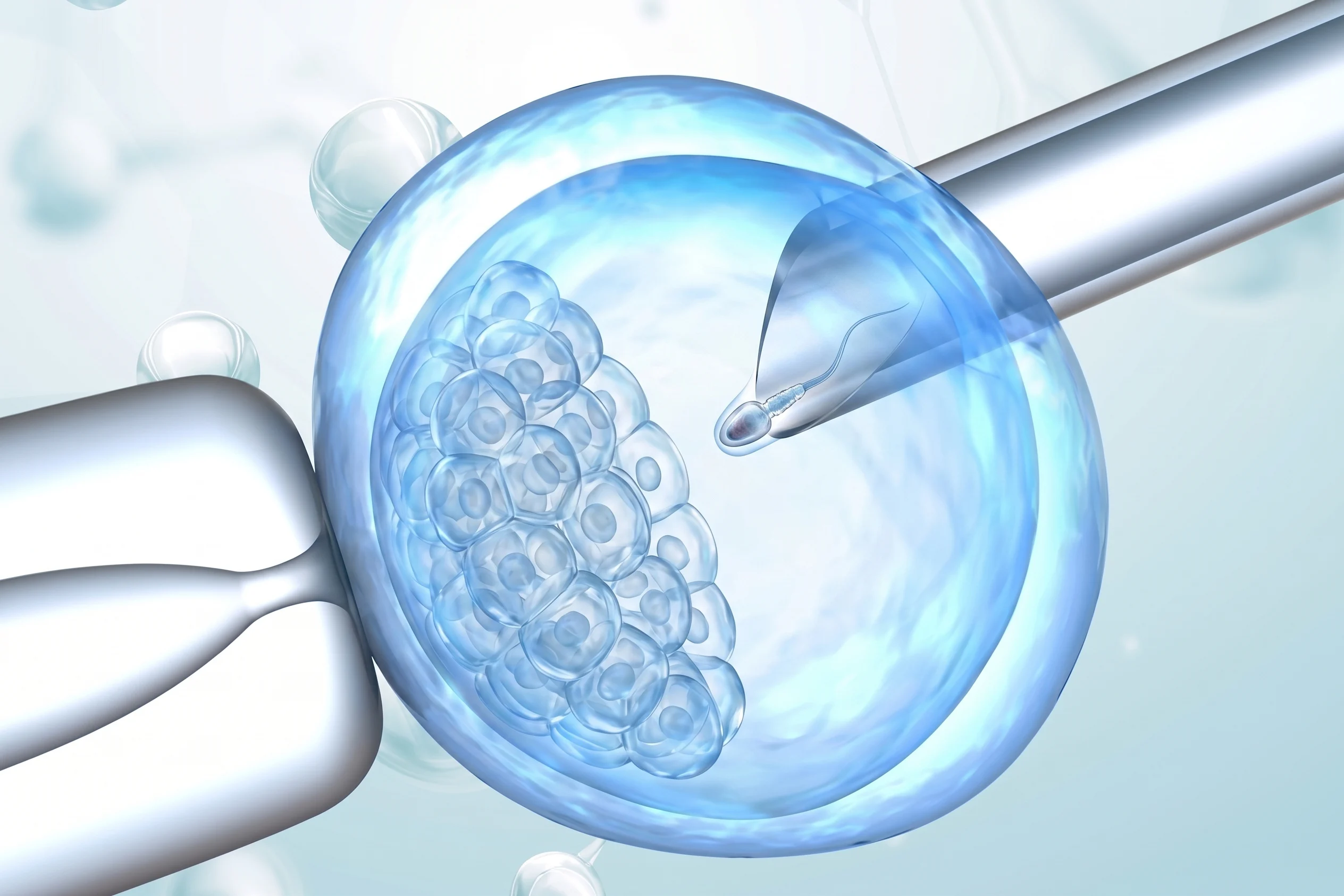
Laser-assisted hatching is a specialized procedure performed during an IVF cycle to help the embryo break through its protective outer layer, known as the zona pellucida. Using a highly precise medical laser, the embryologist creates a tiny opening in the outer shell without harming the embryo.
Once the embryo is transferred to the uterus, this opening may make it easier for the embryo to hatch naturally and implant into the uterine lining. The procedure is carried out under strict laboratory conditions by experienced embryologists.
Service Overview
At Flora Fertility Centre, laser-assisted hatching in IVF is performed using advanced laser technology as part of selected fertility treatments. The procedure is not required for every IVF patient. Instead, it is recommended to proceed after careful evaluation of factors such as embryo quality, age, previous IVF history, and treatment plan.
Our IVF laboratory follows internationally accepted protocols to ensure precision and embryo safety throughout the procedure.
Who May Benefit from Laser-Assisted Hatching?
Your fertility specialist may recommend LAH in IVF if you have:
- Two or more unsuccessful IVF cycles
- Advanced maternal age (typically above 38 years)
- Thick or hardened zona pellucida around the embryo
- Frozen embryo transfer with laser-assisted hatching
- Embryos that may have a reduced chance of hatching naturally
- Certain cases where embryo biopsy is planned for genetic testing
The decision is always personalized based on your fertility evaluation and IVF treatment plan.
Laser Assisted Hatching Procedure
The laser assisted hatching procedure is performed in the IVF laboratory before embryo transfer.
Step 1: Embryo Development
After fertilization, embryos are cultured in a controlled laboratory environment until Day 3 or Day 5.
Step 2: Laser-Assisted Hatching
Using a precision laser microscope, the embryologist creates a microscopic opening in the embryo’s outer shell (zona pellucida).
Step 3: Embryo Assessment
The embryo is carefully examined to ensure it remains healthy and suitable for transfer.
Step 4: Embryo Transfer
The selected embryo is transferred into the uterus, where it can hatch naturally and implant into the uterine lining.
The entire procedure is completed within minutes and does not involve any additional discomfort for the patient.
Laser-Assisted Hatching for PGD and PGS
Laser technology also plays an important role during embryo biopsy for genetic testing.
PGD Testing
PGD testing (Preimplantation Genetic Diagnosis) is used when one or both parents have a known inherited genetic disorder. It helps identify embryos that are free from the specific genetic condition before transfer.
PGS Testing (Now Known as PGT-A)
PGS testing, now more commonly called PGT-A (Preimplantation Genetic Testing for Aneuploidy), checks whether embryos have the correct number of chromosomes. This may help identify embryos with normal chromosomal makeup before transfer.
During these procedures, laser technology is used to safely create an opening in the embryo so that a few cells can be collected for laboratory analysis.
Benefits of Laser-Assisted Hatching
Laser-assisted hatching may offer several potential benefits for selected IVF patients:
- Supports natural embryo hatching
- May improve embryo implantation in suitable cases
- Helpful for patients with repeated IVF failure
- Beneficial in selected frozen embryo transfer cycles
- Allows safe embryo biopsy for genetic testing
- Highly precise and minimally invasive laboratory procedure
- Performed without direct contact with the embryo
Your fertility specialist will determine whether this technique is appropriate for your treatment.
Why Choose Flora Fertility Centre?
At Flora Fertility Centre, every IVF treatment plan is tailored to the individual needs of each patient.
We offer:
- Experienced fertility specialists and embryologists
- Advanced IVF laboratory with precision laser technology
- Personalized fertility treatment plans
- Comprehensive embryo assessment
- Support for PGD testing and PGS procedures
- Patient-focused care throughout your fertility journey
Our goal is to use the most appropriate assisted reproductive techniques to help maximize the chances of a healthy pregnancy.