
Advanced ICSI Treatment in Ahmedabad for Couples Facing Infertility
At Flora Fertility Center, we understand how emotionally challenging infertility can be for couples trying to conceive. Our advanced ICSI treatment in Ahmedabad combines modern fertility technology, experienced embryologists, and personalized reproductive care to improve fertilization and pregnancy outcomes.
What is ICSI?
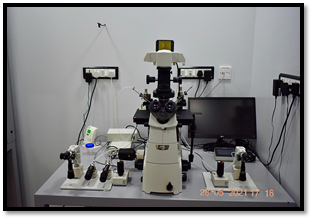
ICSI (Intracytoplasmic Sperm Injection) is an advanced fertility procedure used during IVF treatment where a single healthy sperm is directly injected into the egg to support fertilization.
This advanced form of ICSI fertility treatment is commonly recommended in cases of male infertility, low sperm count, poor sperm motility, failed fertilization in previous IVF cycles, or compromised sperm quality.
The complete ICSI process is performed inside a highly controlled IVF laboratory using specialized micromanipulation equipment and embryology techniques.
Steps Involved in the ICSI Process
Immobilization of Sperm
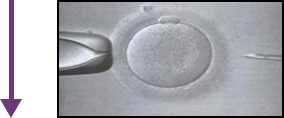
The sperm is carefully immobilized before injection during ICSI to stop its movement and prepare the sperm membrane for successful fertilization.
Aligning the Oocyte
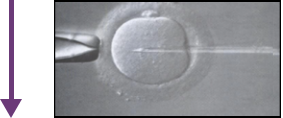
The mature egg (oocyte) is properly aligned to minimize the risk of damaging the spindle structure during sperm injection.
Piercing the Oocyte
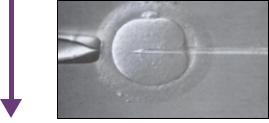
A specialized injection pipette is gently inserted into the egg membrane. Since the membrane is highly elastic, this step requires precision and advanced embryology expertise.
Depositing the Sperm
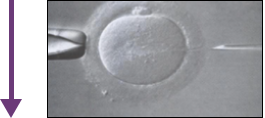
The selected healthy sperm is carefully released into the cytoplasm of the egg to support fertilization and embryo development.
Removing the Injection Pipette
The pipette is slowly withdrawn while ensuring the sperm remains safely inside the egg for successful fertilization.
Conventional IVF vs ICSI – What is the Difference?
Many couples searching for fertility treatments often compare ICSI vs IVF procedures.
Conventional IVF
In conventional IVF treatment, approximately 50,000 sperm are placed near the egg in a culture dish. Fertilization occurs naturally when one sperm penetrates the egg membrane and enters the cytoplasm.
ICSI Treatment
In Intracytoplasmic Sperm Injection (ICSI), a single healthy sperm is directly injected into the egg using a microscopic injection pipette. This advanced fertilization technique improves the chances of fertilization in cases of male infertility or poor sperm quality.
In both IVF and ICSI procedures, the fertilized embryos are cultured in the laboratory from Day 1 to Day 5 before embryo transfer into the uterus.
IVF ICSI Treatment Process
The IVF ICSI treatment process generally includes:
- Fertility evaluation and hormone testing
- Ovarian stimulation for egg development
- Egg retrieval (ovum pick-up)
- Sperm preparation and selection
- Intracytoplasmic sperm injection (ICSI)
- Embryo culture and monitoring
- Embryo transfer into the uterus
- Pregnancy testing after embryo transfer
At Flora Fertility Center, every IVF ICSI cycle is personalized according to fertility condition, age, embryo quality, and reproductive health.
Success Rate of ICSI Treatment
The ICSI success rate varies depending on several fertility factors, including:
- Age of the female partner
- Egg quality and ovarian reserve
- Sperm quality and motility
- Embryo quality
- Underlying infertility condition
- Previous IVF or ICSI history
On average, around 70–80% of mature eggs may get successfully fertilized through ICSI treatment.
Overall, ICSI treatment success rates may improve with advanced embryology support, personalized fertility planning, and proper embryo monitoring.
Who May Need ICSI Fertility Treatment?
ICSI treatment may be recommended for couples facing:
- Low sperm count
- Poor sperm motility
- Abnormal sperm morphology
- Male infertility
- Failed IVF fertilization
- Surgically retrieved sperm
- Unexplained infertility
- Frozen sperm usage
- Advanced fertility cases
Couples searching for a trusted ICSI treatment centre often choose advanced fertility clinics with experienced embryologists and modern IVF laboratory facilities.
Why Choose Flora Fertility Center for ICSI Treatment in Ahmedabad?
At Flora Fertility Center, we provide advanced IVF and ICSI treatment using modern reproductive technology and patient-focused fertility care.
Our fertility specialists focus on:
- Personalized fertility treatment plans
- Advanced embryology laboratory support
- Modern ICSI micromanipulation techniques
- Experienced fertility specialists and embryologists
- Ethical and transparent fertility care
- High-quality embryo monitoring systems
- Compassionate patient support throughout the fertility journey
We are committed to helping couples improve fertilization outcomes and move closer to achieving a successful pregnancy through advanced fertility care.