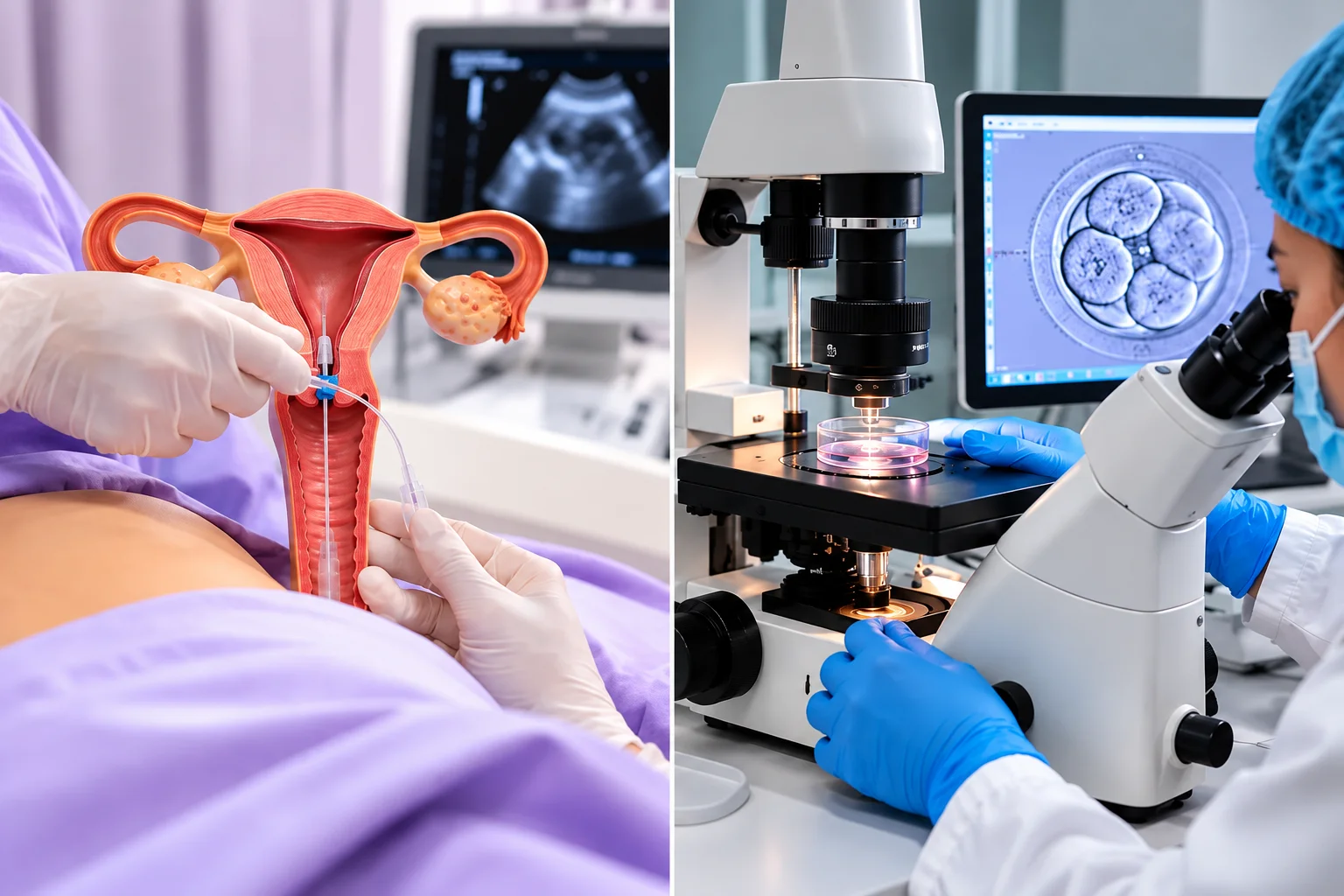
Yes, azoospermia treatment is possible in many cases. Azoospermia means no sperm are
found in the semen. However, the condition does not always mean that biological fatherhood is impossible. Treatment
depends on whether sperm production is affected or sperm are blocked from reaching the semen.
Key Takeaways
- Azoospermia means no sperm are detected in the semen.
- It can result from a blockage, low or absent sperm production, or certain medical conditions.
- When no sperm are present in the semen, a fructose test may be performed as part of the evaluation. The test helps assess whether fructose is present in the seminal fluid and can provide information about possible blockage or problems involving the seminal vesicles or ejaculatory ducts.
- Proper testing is important before choosing treatment.
- Some men may benefit from medicines or surgery, while others may need sperm-retrieval procedures with IVF/ICSI.
- When azoospermia is confirmed, and the couple wishes to have a biological child, surgical sperm-retrieval techniques such as PESA, TESA, and micro-TESE may be considered to obtain live sperm for assisted reproduction.
- A fertility specialist can help identify the underlying cause and discuss suitable options.
What Is Azoospermia?
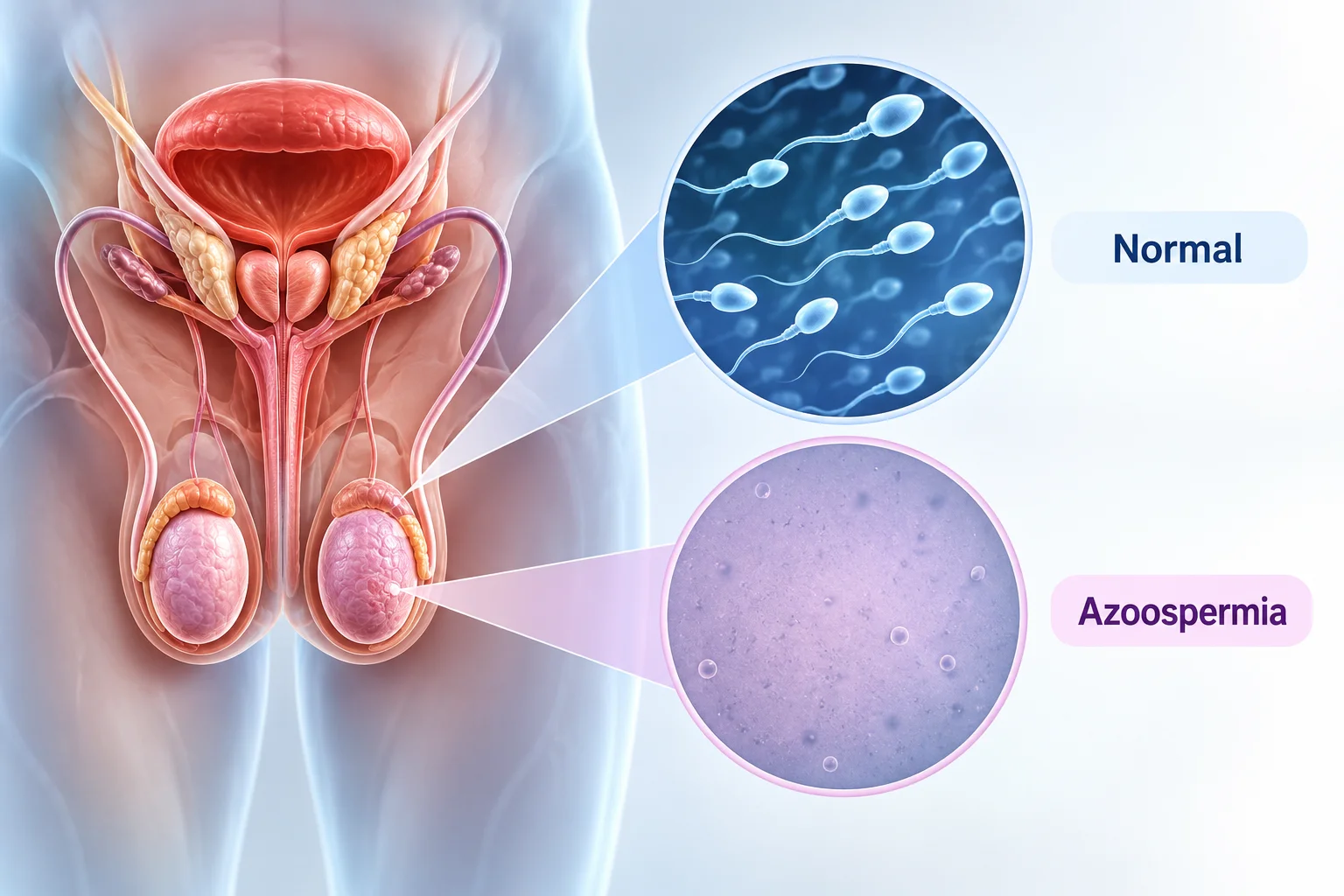
Azoospermia is a male fertility condition in which no sperm are detected in a semen
sample. It is different from having a very low sperm count, known as oligospermia.
Because sperm are needed to fertilize an egg, azoospermia can make natural conception
difficult. However, the next step is not to assume that there is no solution. Finding out why sperm are absent is
the most important part of planning care.
What Causes Azoospermia?
Azoospermia is generally divided into two main types:
Obstructive Azoospermia
In this type, the testicles may produce sperm normally, but a blockage prevents sperm
from entering the semen.
Possible causes include:
- Previous infections or inflammation
- Previous surgery or injury
- Blockage in the reproductive ducts
- Congenital absence or abnormal development of certain ducts
Since sperm production may still be present, treatment can sometimes focus on removing or bypassing the blockage.
Non-Obstructive Azoospermia
Here, the main problem is reduced or absent sperm production in the testicles.
Possible causes include:
- Hormonal problems
- Genetic conditions
- Testicular disorders
- Certain medications or medical treatments
- Previous testicular injury
- Problems affecting sperm-producing cells
The treatment approach depends on the specific cause and the amount of sperm production that remains.
How Is Azoospermia Diagnosed?
A single semen test may not always be enough to establish the diagnosis. Your doctor may
recommend repeating the semen analysis under appropriate laboratory conditions. When semen analysis shows no sperm,
a fructose test may also be recommended as part of the evaluation. Fructose is normally produced by the seminal
vesicles and is present in seminal fluid. The presence or absence of fructose can help the doctor assess possible
obstruction involving the ejaculatory ducts or seminal vesicles.
Depending on your medical history and examination, evaluation may include:
- Detailed medical and fertility history
- Physical examination
- Repeat semen analysis
- Fructose test when indicated
- Hormone tests
- Scrotal ultrasound when appropriate
- Genetic testing in selected cases
- Other tests based on the suspected cause
This evaluation helps distinguish between obstructive and non-obstructive azoospermia and guides treatment planning.
Can Azoospermia Be Treated?
Yes, but treatment is not the same for every patient. Azoospermia treatment is based on
the underlying cause, hormone levels, testicular function, age, previous treatments, and the couple’s fertility
goals.
Medicines and Hormonal Treatment
If azoospermia is linked to certain hormonal problems, treating the underlying hormonal
imbalance may help restore sperm production in some men.
Hormonal medicines should only be taken under the guidance of a fertility specialist.
Self-medication can sometimes make sperm production worse.
Surgery for Blockages
When sperm are being produced but cannot reach the semen because of an obstruction,
surgery may sometimes restore the pathway.
The suitability of surgery depends on the location and cause of the blockage.
Sperm Retrieval
Some men with non-obstructive azoospermia may still have small areas of sperm production inside the testicles. In selected cases, sperm can be retrieved directly from testicular tissue.
When azoospermia is confirmed, and a couple wishes to have a biological child, surgical sperm-retrieval techniques may be considered to obtain live sperm. These may include percutaneous epididymal sperm aspiration (PESA), testicular sperm aspiration (TESA), and microsurgical testicular sperm extraction (micro-TESE).
If viable sperm are obtained, they may be used with assisted reproductive techniques such as IVF with ICSI.
Azoospermia and IVF: What Is the Connection?
When sperm cannot be found in the semen, but sperm can be retrieved from the testicles,
assisted reproduction may provide an option for biological fatherhood.
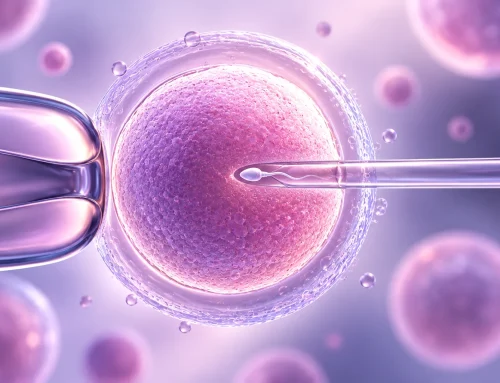
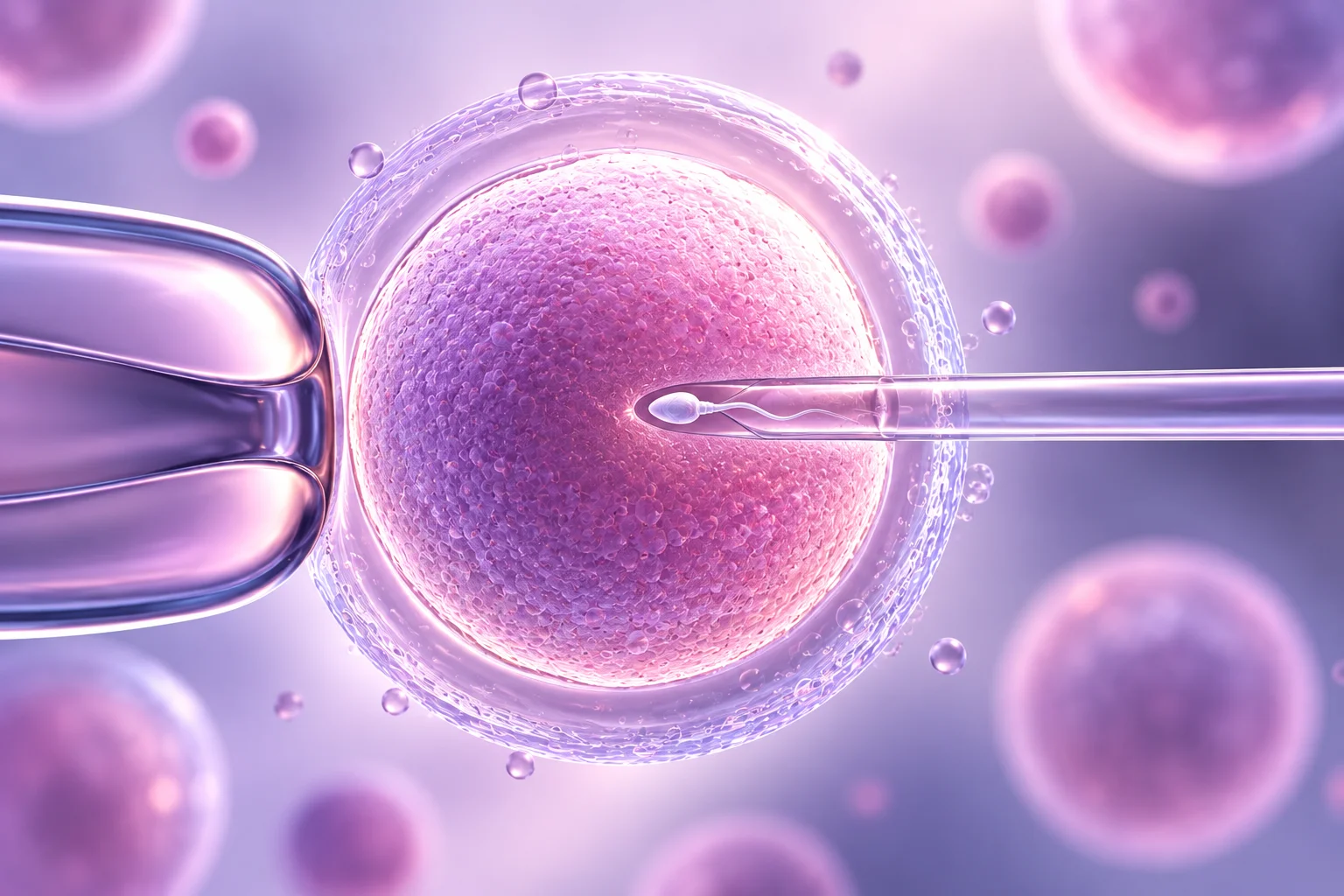
With ICSI (intracytoplasmic sperm injection), a single sperm is injected directly into
an egg during an IVF cycle. Whether this approach is appropriate depends on the couple’s individual fertility
assessment.
A fertility specialist may discuss sperm retrieval and IVF/ICSI when conventional treatment is unlikely to restore sperm in the semen.
Can Lifestyle Changes Cure Azoospermia?
Lifestyle improvements can support overall reproductive health, but they cannot correct
every cause of azoospermia.
Depending on individual circumstances, healthy habits may include:
- Maintaining a healthy weight
- Avoiding tobacco and recreational drugs
- Limiting excessive alcohol consumption
- Exercising regularly
- Getting adequate sleep
- Managing conditions such as diabetes or hormonal disorders
- Avoiding unnecessary exposure to excessive heat around the testicles
Lifestyle changes should be considered supportive rather than a replacement for medical evaluation.
When Should You See a Fertility Specialist?
If you have received a semen report showing zero sperm, consult a fertility specialist
rather than relying on supplements or home remedies.
At Flora
Fertility Centre, a specialist can evaluate the possible cause of
azoospermia, recommend appropriate investigations, and explain treatment or assisted-reproduction options based on
your individual situation.
Early evaluation can be particularly helpful when you and your partner are actively trying to conceive.