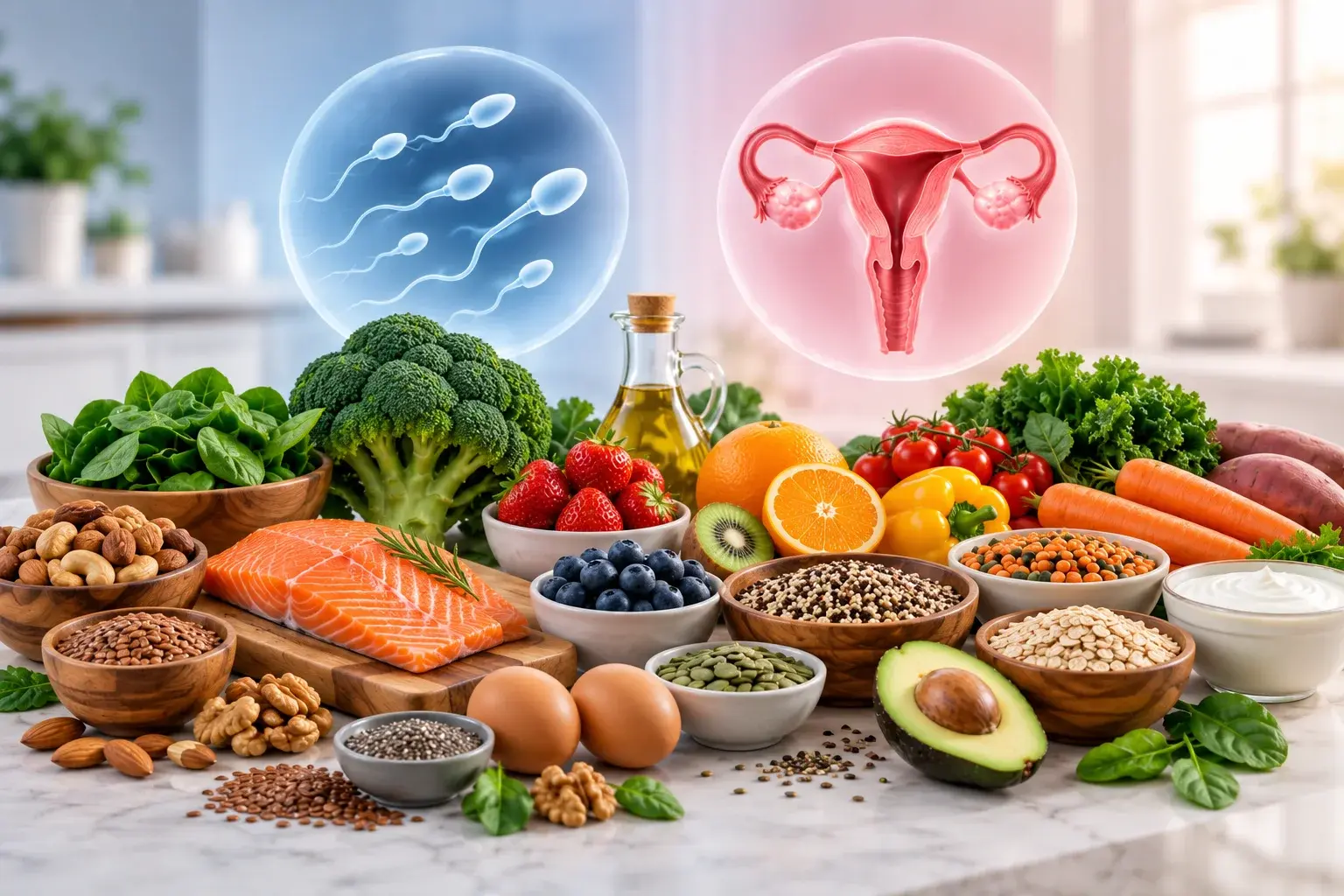
A fertility-supportive diet includes vegetables, fruits, whole grains, beans, nuts, seeds, eggs, fish, and other minimally processed foods. These foods provide nutrients such as folate, zinc, selenium, iron, healthy fats, antioxidants, and protein that support overall reproductive health. No single food guarantees pregnancy, but a balanced fertility diet plan can support healthier habits for both women and men.
Key Takeaways
- Eat a variety of colorful vegetables and whole fruits daily.
- Include protein, whole grains, nuts, seeds, and healthy fats.
- Women need special attention to preconception nutrition, including folate.
- Men can focus on nutrient-dense foods that support overall sperm health.
- Limit smoking, heavy alcohol use, excess sugar, and highly processed foods.
- Diet supports fertility health but does not replace medical evaluation when needed.
Best Foods for Fertility
Instead of looking for one “miracle” food, focus on a balanced eating pattern. Some of the best foods for fertility are everyday foods that are easy to include regularly.
Leafy Green Vegetables
Spinach, broccoli, kale, and other greens provide folate and other micronutrients. Folate is particularly important before pregnancy, making leafy vegetables a useful part of a woman’s preconception diet.
Fruits and Berries
Berries, oranges, guava, kiwi, and other fruits provide vitamin C, fiber, and plant compounds. Choose whole fruit more often than sugary juices.
Nuts and Seeds
Almonds, walnuts, pumpkin seeds, sunflower seeds, flaxseeds, and chia seeds provide healthy fats, protein, fiber, and minerals. Add them to breakfast, salads, or snacks.
Eggs, Fish, Beans, and Lentils
These foods provide protein and important nutrients. Fatty fish such as salmon, sardines, and mackerel also provide omega-3 fats. Vegetarians can include beans, lentils, nuts, seeds, and dairy or fortified alternatives.
Whole Grains
Oats, brown rice, whole-wheat roti, quinoa, and millets can replace some refined grains. Pairing whole grains with vegetables and protein helps create balanced meals.
Foods to Improve Egg Quality: What Should You Eat?
There is no specific food proven to directly “fix” egg quality. Foods to improve egg quality should be viewed as part of an overall nutrient-rich diet with vegetables, fruits, legumes, whole grains, nuts, seeds, and adequate protein.
For women trying to conceive, regular balanced meals and appropriate prenatal nutrients are also important. Folic acid is commonly recommended before pregnancy, so ask your doctor about the right supplement and dose for you.
Foods to Improve Sperm Count and Health
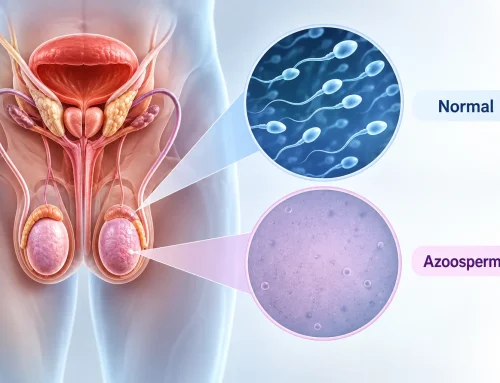
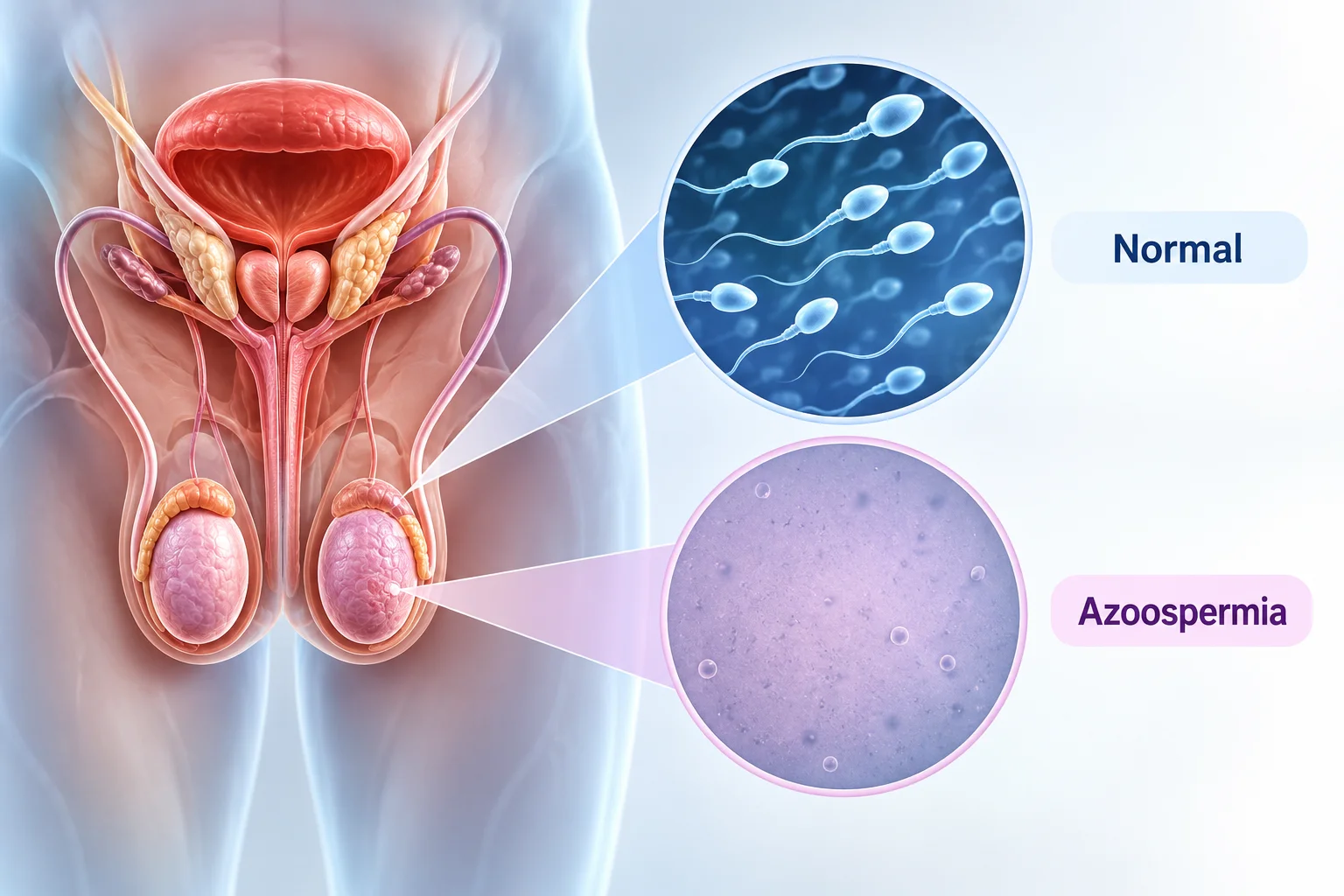
Diet alone cannot guarantee a higher sperm count. However, foods to improve sperm count can include eggs, fish, dairy or fortified alternatives, beans, lentils, nuts, seeds, citrus fruits, berries, and leafy greens.
Lifestyle also matters. Smoking, heavy alcohol use, obesity, poor sleep, and certain medical conditions can affect sperm health. Ongoing concerns should be assessed by a fertility specialist rather than managed through food alone.
A Simple One-Day Fertility Diet Plan
- Breakfast: Vegetable omelet with whole-wheat toast, or oats with fruit, nuts, and seeds.
- Lunch: Dal or beans, brown rice or whole-wheat roti, mixed vegetables, and curd.
- Snack: Guava, orange, berries, or another whole fruit with a small handful of nuts.
- Dinner: Fish or chicken with vegetables and whole grains, or a lentil-based meal for vegetarians.
- Drinks: Choose water regularly and limit sugary beverages.
Foods to Limit
A healthy fertility diet is also about what you reduce. Limit highly processed snacks, foods high in trans fats, excess added sugar, frequent fast food, and heavy alcohol intake. Avoid crash diets or extreme restrictions that can make balanced nutrition difficult.
When Should You See a Fertility Specialist?
If pregnancy is taking longer than expected, dietary changes should not delay medical advice. Fertility may be affected by age, ovulation, sperm factors, reproductive conditions, previous procedures, or other health issues.
At Flora Fertility Centre, fertility specialists can assess your individual situation and guide you on appropriate tests, treatment options, and supportive lifestyle changes.