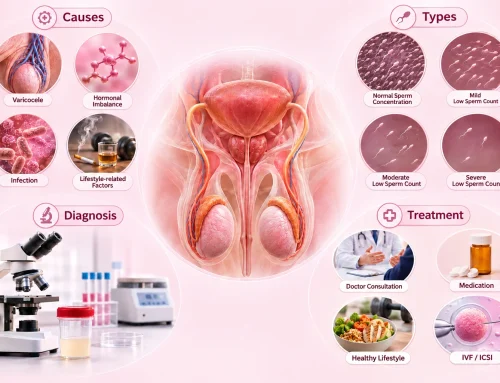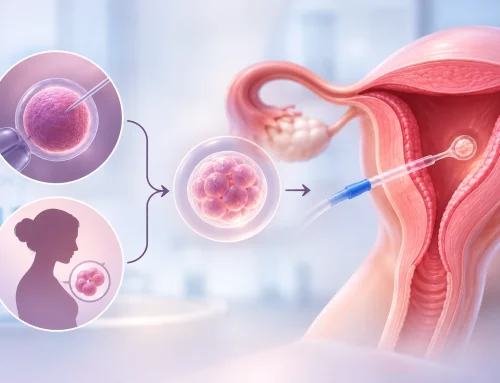
Laparoscopy for infertility is a minimally invasive surgical procedure that helps doctors examine the reproductive organs, including the uterus, ovaries, and fallopian tubes. It can identify conditions such as endometriosis, pelvic adhesions, and certain tubal problems. Some of these conditions can also be treated during the same procedure. However, pregnancy outcomes depend on the underlying cause of infertility, age, reproductive health, and other fertility factors.
For couples experiencing difficulty conceiving, identifying the cause of infertility can help guide treatment decisions.
What Is Laparoscopy for Infertility?
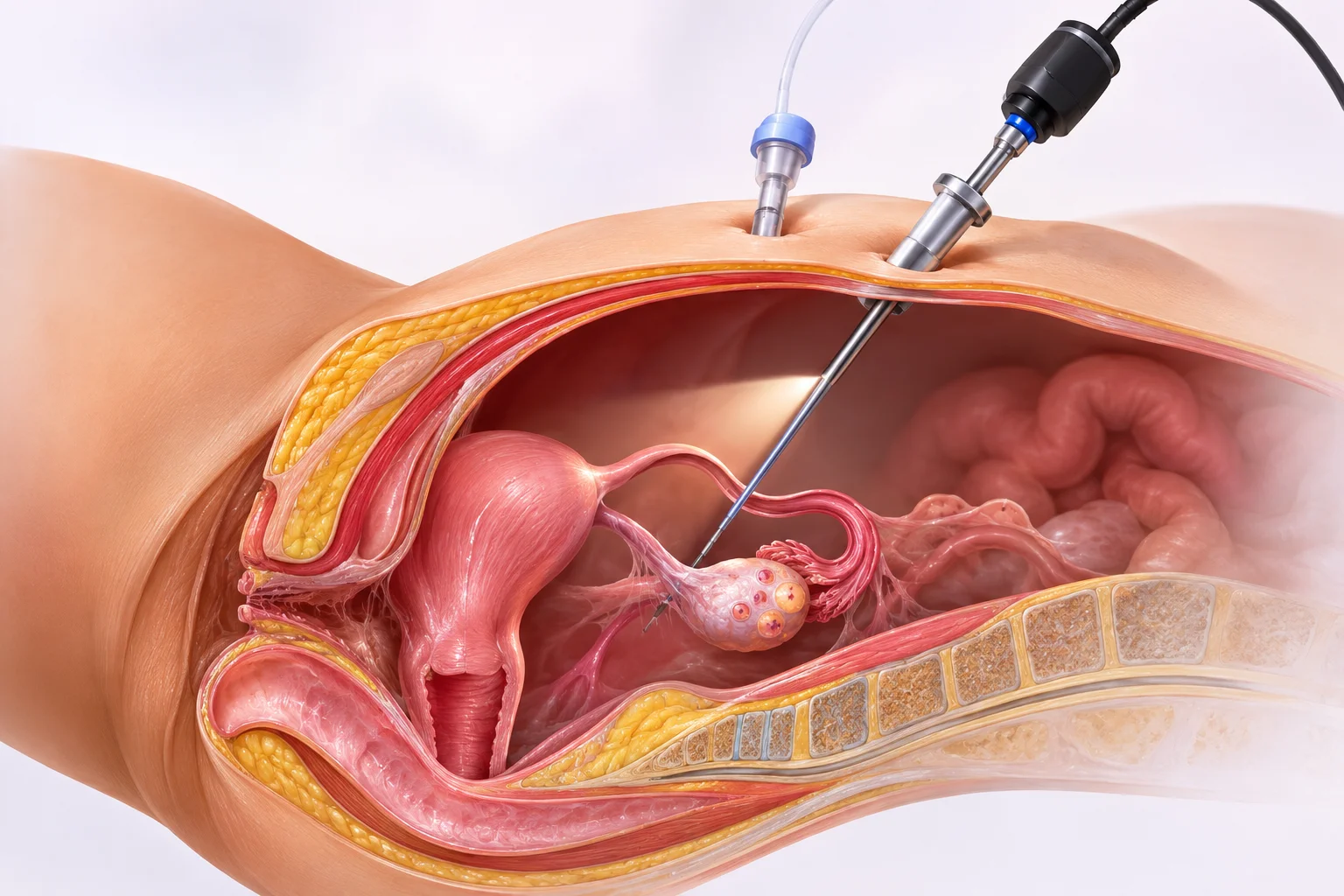
Laparoscopy is a type of keyhole surgery performed through small cuts in the abdomen. A thin instrument with a camera, called a laparoscope, allows the surgeon to view the pelvic organs on a screen.
During a fertility-related laparoscopy, the doctor may examine the ovaries, fallopian tubes, and the outer surface of the uterus. A dye test may also be performed to check whether the fallopian tubes are open.
Unlike an ultrasound, which creates images of internal organs, laparoscopy allows the surgeon to directly inspect the pelvic area and identify certain abnormalities that may not be visible on routine imaging.
However, it is not necessary for every person experiencing infertility. Doctors usually recommend it when symptoms, medical history, or earlier test results suggest a problem that may benefit from surgical investigation.
Learn more about Laparoscopic Surgery
What Can Laparoscopy Find During an Infertility Evaluation?
Laparoscopy can help identify several conditions that may affect fertility.
1. Endometriosis
Endometriosis occurs when tissue similar to the lining of the uterus grows outside it. It may affect the ovaries, fallopian tubes, and surrounding pelvic tissues.
Laparoscopy can help identify endometriosis and, in selected cases, allow the surgeon to remove or treat the affected tissue.
2. Blocked or Damaged Fallopian Tubes
Fallopian tubes carry the egg towards the uterus. Blockages or damage may interfere with fertilisation or the movement of the fertilised egg.
A laparoscopy combined with a dye test can help assess whether the tubes are open. The findings may help the doctor discuss appropriate treatment options.
3. Pelvic Adhesions
Adhesions are bands of scar tissue that can develop after pelvic infections, endometriosis, or previous surgery. They may cause reproductive organs to stick together or affect the normal movement of the fallopian tubes.
In selected cases, laparoscopic surgery can remove these adhesions.
4. Ovarian Cysts and Other Pelvic Abnormalities
Certain ovarian cysts and pelvic abnormalities may be identified during the procedure. Depending on their type, size, symptoms, and potential effect on fertility, treatment may or may not be necessary.
How Does the Laparoscopy Procedure for Infertility Work?
The laparoscopy procedure for infertility generally involves the following steps:
- Pre-operative assessment: The doctor reviews medical history, fertility investigations, medications, and overall health.
- Anesthesia: The procedure is usually performed under general anaesthesia, so the patient is asleep.
- Small abdominal incisions: The surgeon makes a small cut, commonly near the belly button, and inserts the laparoscope.
- Pelvic examination: The camera helps the surgeon examine the reproductive organs. Additional small incisions may be required for surgical instruments.
- Dye test or treatment: If indicated, dye may be used to assess tubal patency. Certain abnormalities may be treated during the same operation.
- Recovery: The instruments are removed, the incisions are closed, and the patient is monitored while recovering from anesthesia.
The duration and recovery period depend on whether the procedure is diagnostic or involves additional surgery.
How Can Laparoscopic Surgery for Infertility Help?
Laparoscopic surgery for infertility may help when a specific, treatable pelvic condition is affecting reproductive health.
Depending on the findings, it may involve:
- Removing endometriosis tissue in selected cases.
- Releasing adhesions around the reproductive organs.
- Treating certain ovarian cysts when surgery is appropriate.
- Repairing selected tubal problems where feasible.
The benefits depend on the condition being treated. Surgery does not address every cause of infertility, such as some ovulation disorders, age-related changes in egg quality or male-factor infertility.
Doctors may recommend other options, including fertility medication, intrauterine insemination (IUI) or in vitro fertilisation (IVF), depending on the overall assessment.
Laparoscopy for Infertility Success Rate: What Should You Know?
There is no single laparoscopy for infertility success rate that applies to everyone. The likelihood of pregnancy after surgery depends on several factors, including:
- Age: Age-related changes in fertility can influence the chances of conception.
- Cause of infertility: Outcomes differ depending on whether the problem involves endometriosis, adhesions, or tubal damage.
- Severity of the condition: Mild disease and extensive pelvic damage may have different outcomes.
- Other fertility factors: Ovulation, sperm health, and the condition of the reproductive organs also matter.
- Further treatment: Some patients may conceive naturally, while others may need fertility treatment.
For this reason, pregnancy rates should be discussed in the context of the specific condition, treatment performed, and time period being measured. A doctor should not promise pregnancy or quote a universal success percentage without appropriate evidence.
Laparoscopy may improve fertility in selected patients, but it does not guarantee conception.
Is Laparoscopic Surgery for Pregnancy Always Necessary?
No. Laparoscopic surgery is not required for every person trying to conceive.
The ASRM guidelines on fertility evaluation explain that laparoscopy is not routinely recommended for every infertility evaluation when there is no suspected pelvic condition or other specific indication for surgery.
A fertility assessment may include medical history, ovulation evaluation, semen analysis, and tests to assess the uterus and fallopian tubes. The doctor considers these findings before recommending surgery.
Laparoscopy also carries potential risks, including bleeding, infection, injury to nearby organs, and complications related to anesthesia. The benefits and risks should be discussed before proceeding.
Conclusion
Laparoscopy for infertility can help doctors identify and, in selected cases, treat pelvic conditions that may affect conception. However, its usefulness depends on the individual diagnosis, and it is not necessary for every person experiencing fertility difficulties.
At Flora Fertility Centre, patients can discuss their fertility concerns, previous test results, and possible next steps with a qualified fertility specialist. A personalised evaluation can help determine whether laparoscopy, other investigations, or fertility treatments are appropriate.
Medical note: This article is for general educational purposes and does not replace an individual medical consultation.