If you are considering intrauterine insemination (IUI), one of the first questions you may have is, “What is the IUI success rate, and how does age affect my chances?” It is natural to look for a single number, but IUI success depends on several factors, including age, fertility diagnosis, sperm quality, ovulation, and whether fertility medicines are used.
Understanding these factors can help you set realistic expectations and make informed decisions about your fertility treatment.
What Is IUI and How Does It Work?
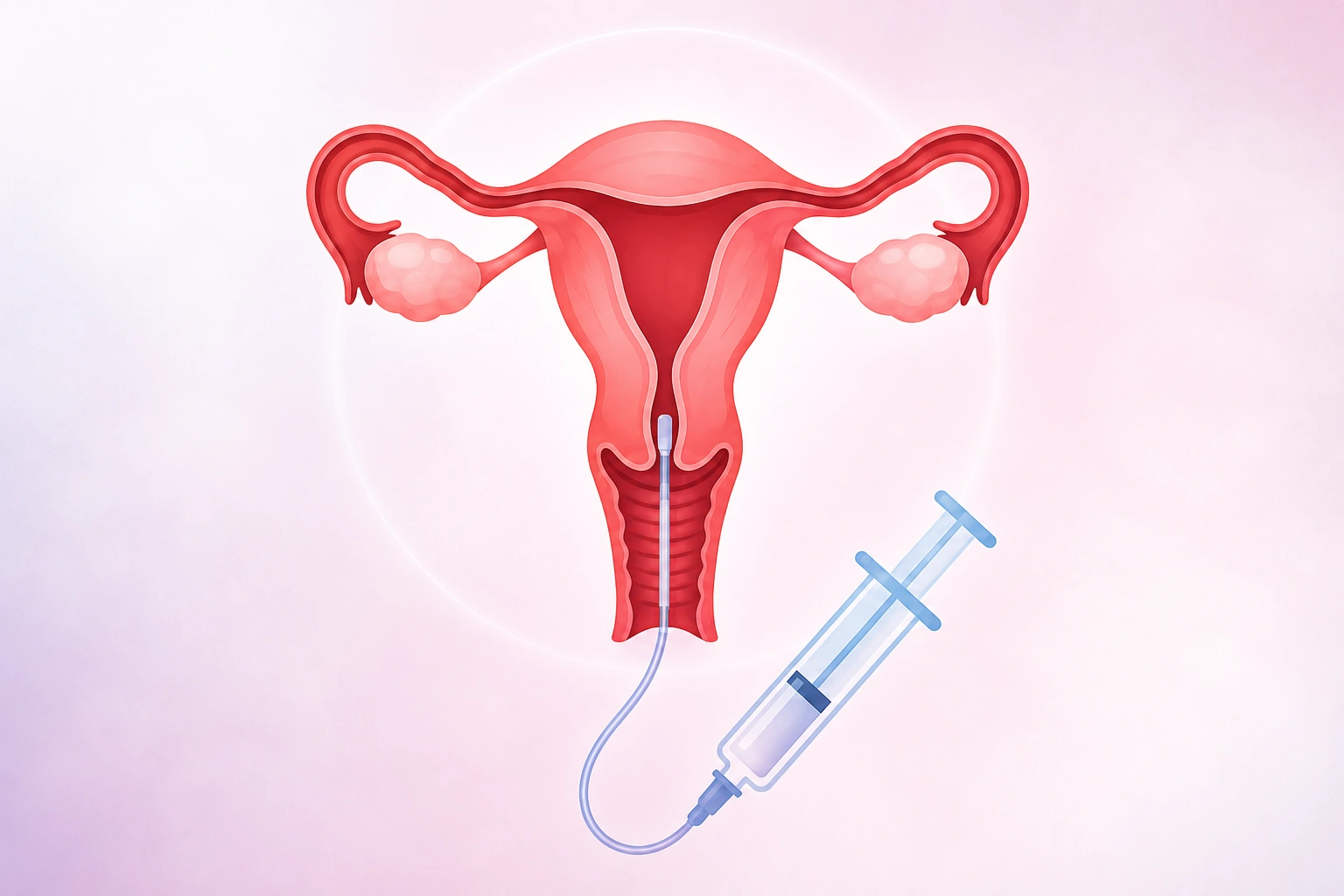
IUI is a fertility treatment in which specially prepared sperm is placed directly into the uterus around the time of ovulation. This shortens the distance sperm must travel to reach the fallopian tubes and egg.
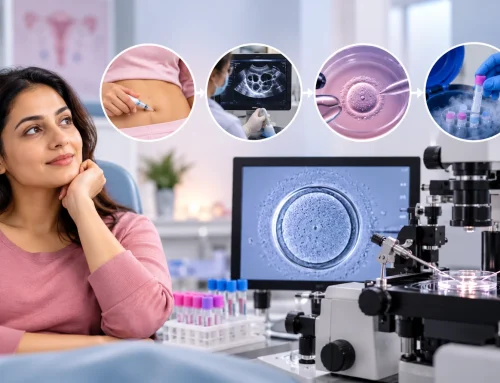
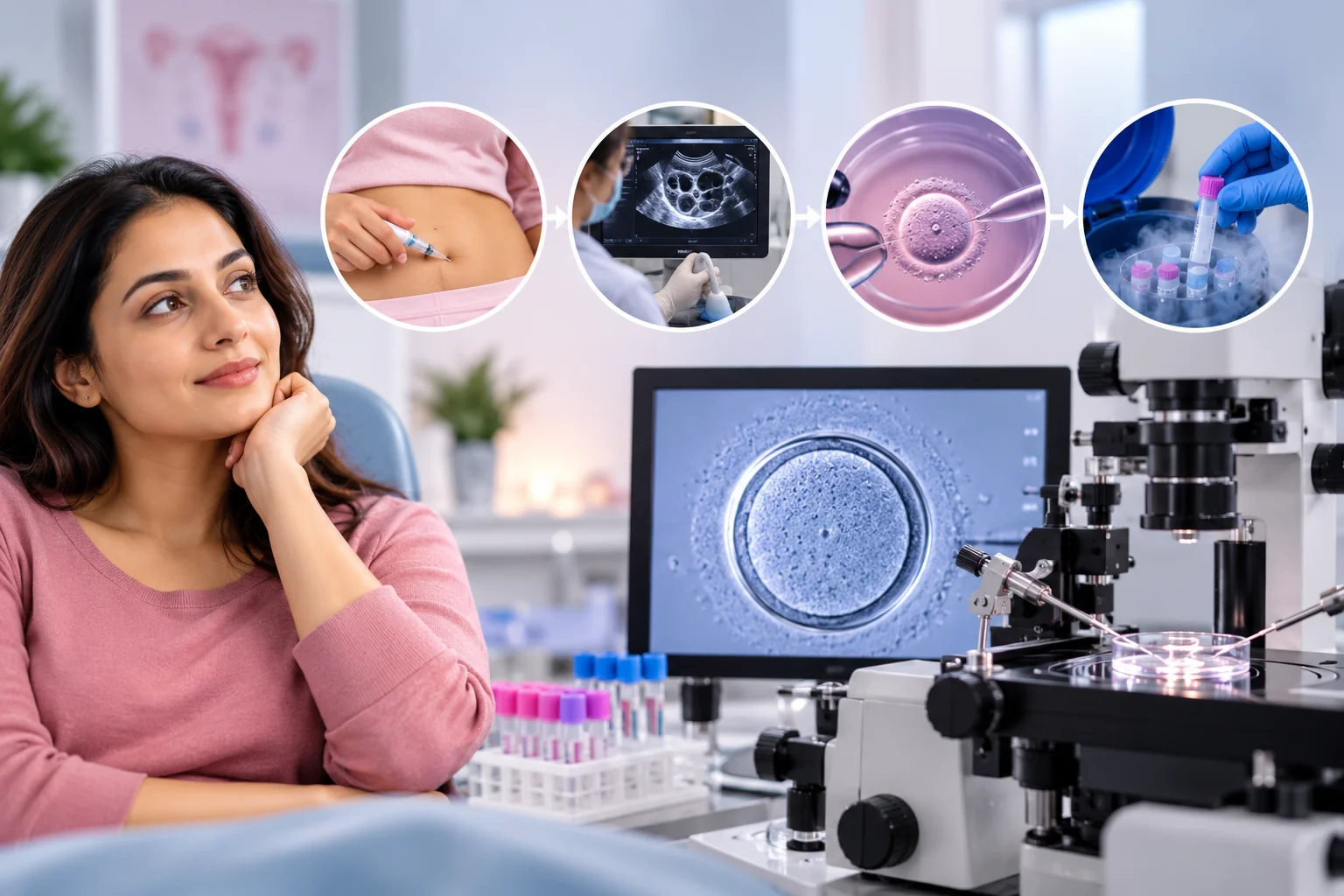
The IUI treatment process usually begins with monitoring ovulation. Depending on your situation, your doctor may recommend medicines to help the ovaries produce eggs. A semen sample is then collected and washed in a laboratory to concentrate healthy sperm. Around ovulation, the prepared sperm is placed into the uterus using a thin catheter. The procedure usually takes only a few minutes.
How Does Age Affect IUI Success Rate?
Age is one of the most important factors affecting fertility, particularly because egg quantity and quality generally decline with age.
According to the American Society for Reproductive Medicine, stimulated IUI success is generally around 10% per cycle for women aged 35–40 and less than 5% per cycle for women over 40. These figures are general estimates, not guarantees for an individual patient.
This means younger patients may have a higher chance of pregnancy with IUI, while patients in their late 30s or 40s may need a more individualized treatment plan.
It is important to remember that age is only one part of the picture. Your diagnosis, ovarian function, sperm quality, fallopian tube health, and response to fertility medicines can also influence the outcome.
Does IUI Success Improve With More Cycles?
A single unsuccessful IUI does not necessarily mean the treatment will not work. Some patients conceive during their first cycle, while others may need several attempts.
The ASRM notes that success rates can be better when inseminations are performed every month using fresh or frozen sperm. However, the benefit of continuing IUI depends on factors such as age, diagnosis, and treatment response.
Doctors often review the results after each cycle rather than simply repeating the same treatment. If pregnancy does not occur after several attempts, your fertility specialist may discuss whether another IUI approach or IVF would be more appropriate.
What Factors Affect the IUI Treatment Success Rate?
Age matters, but it is not the only factor. Your IUI treatment success rate may also be influenced by:
- Cause of infertility: IUI tends to work better for unexplained infertility and certain problems with sperm delivery.
- Ovulation: Regular and successful ovulation is important for IUI.
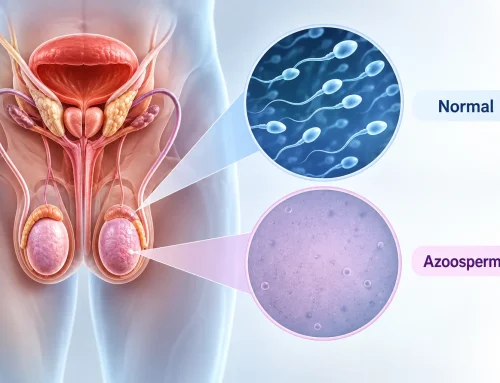
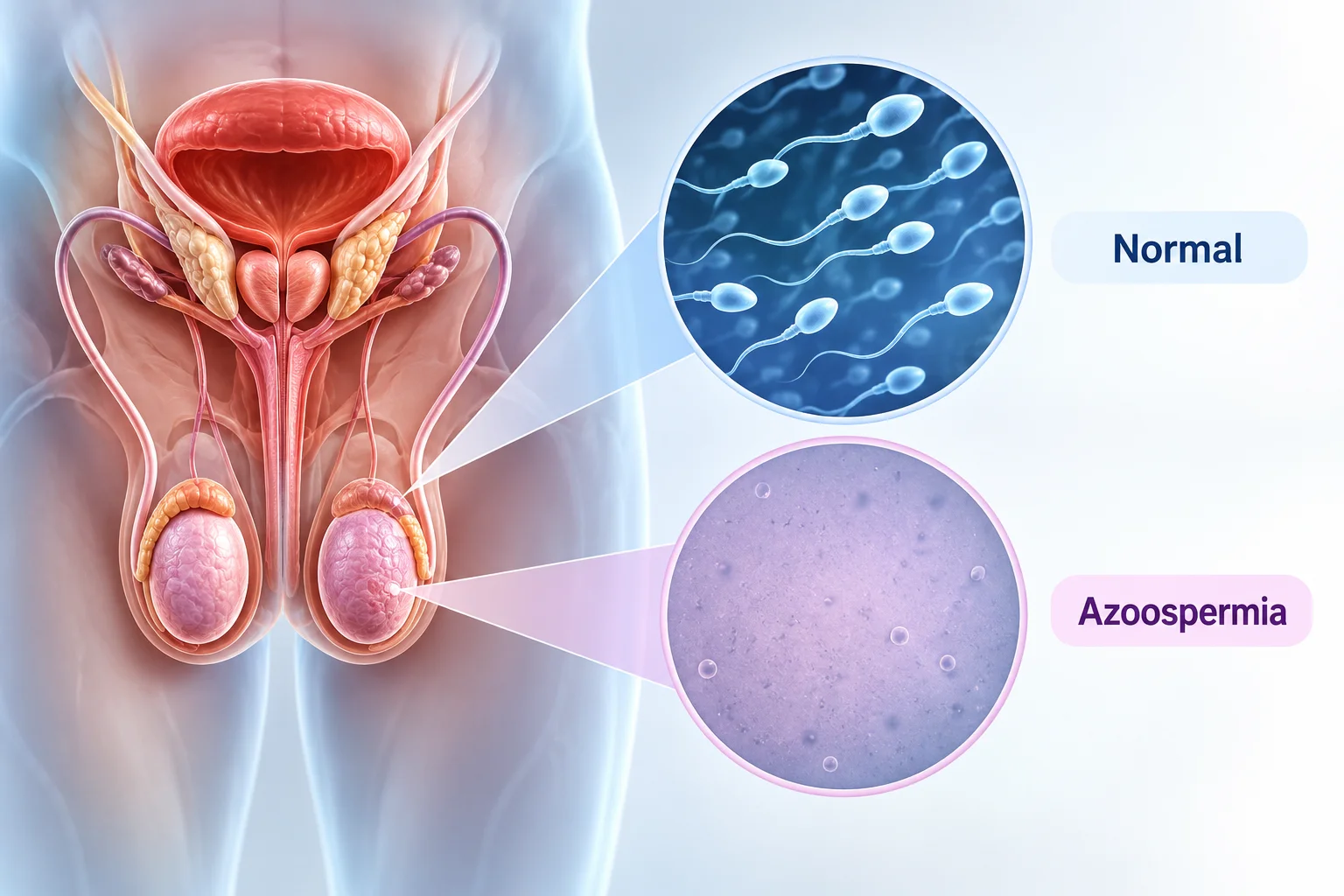
- Sperm quality: IUI may be less effective when sperm count or quality is severely abnormal.
- Fallopian tubes: Healthy, open fallopian tubes are important because fertilization normally occurs inside the tube.
- Fertility medicines: Medicines may be used to stimulate ovulation and produce more than one mature egg.
- Overall reproductive health: Conditions such as severe endometriosis or significant tubal disease may make IUI less suitable.
Is IUI More Successful With Fertility Medicines?
For some patients, yes. Fertility medicines can stimulate the ovaries to mature multiple eggs, potentially increasing the opportunity for fertilization.
However, more eggs also increase the possibility of a multiple pregnancy. The ASRM notes that fertility medicines used with IUI can increase the chance of twins, triplets, or higher-order pregnancies.
Your fertility specialist should choose the medication and dose based on your individual circumstances rather than using a one-size-fits-all approach.
When Should You Consider Another Fertility Treatment?
IUI can be a useful treatment for many patients, but it is not appropriate for everyone. Severe sperm abnormalities, severe fallopian tube disease, and moderate to severe endometriosis are examples of situations where other fertility treatments may be more suitable.
If several IUI cycles have not resulted in pregnancy, your doctor may recommend reviewing the diagnosis, changing the treatment approach, or considering IVF.
The Bottom Line
The IUI success rate depends on much more than the number of cycles you try. Age is an important factor, but your fertility diagnosis, egg and sperm health, ovulation, fallopian tube condition, and treatment protocol also matter.
At Flora Fertility Centre, discussing your individual fertility profile with a specialist can help you understand whether IUI is suitable for you and what your realistic treatment options may be. Instead of focusing only on general percentages, consider your personal circumstances and the treatment plan recommended for you.
Note: Medical information in this article is for educational purposes and should not replace advice from a qualified fertility specialist.