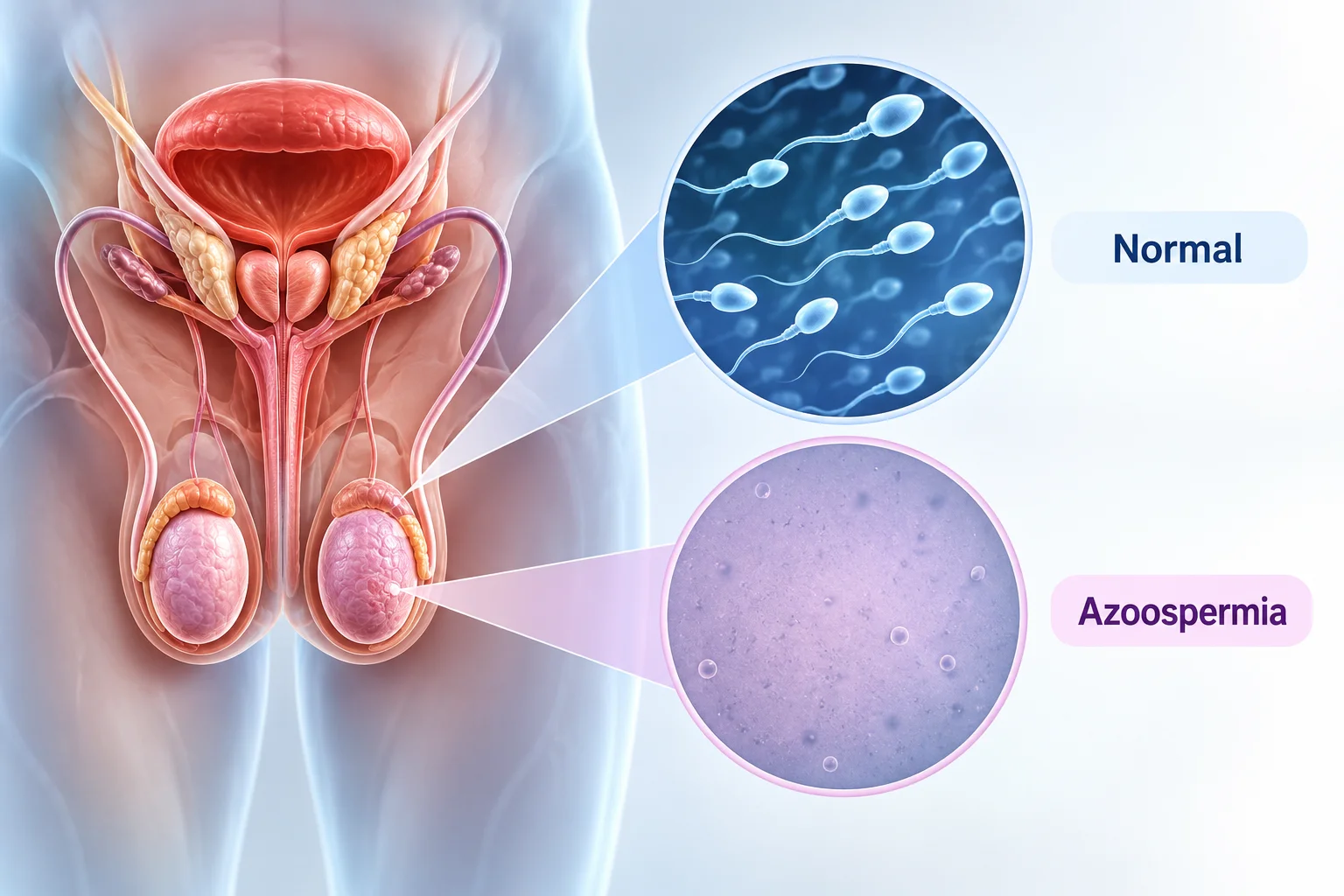
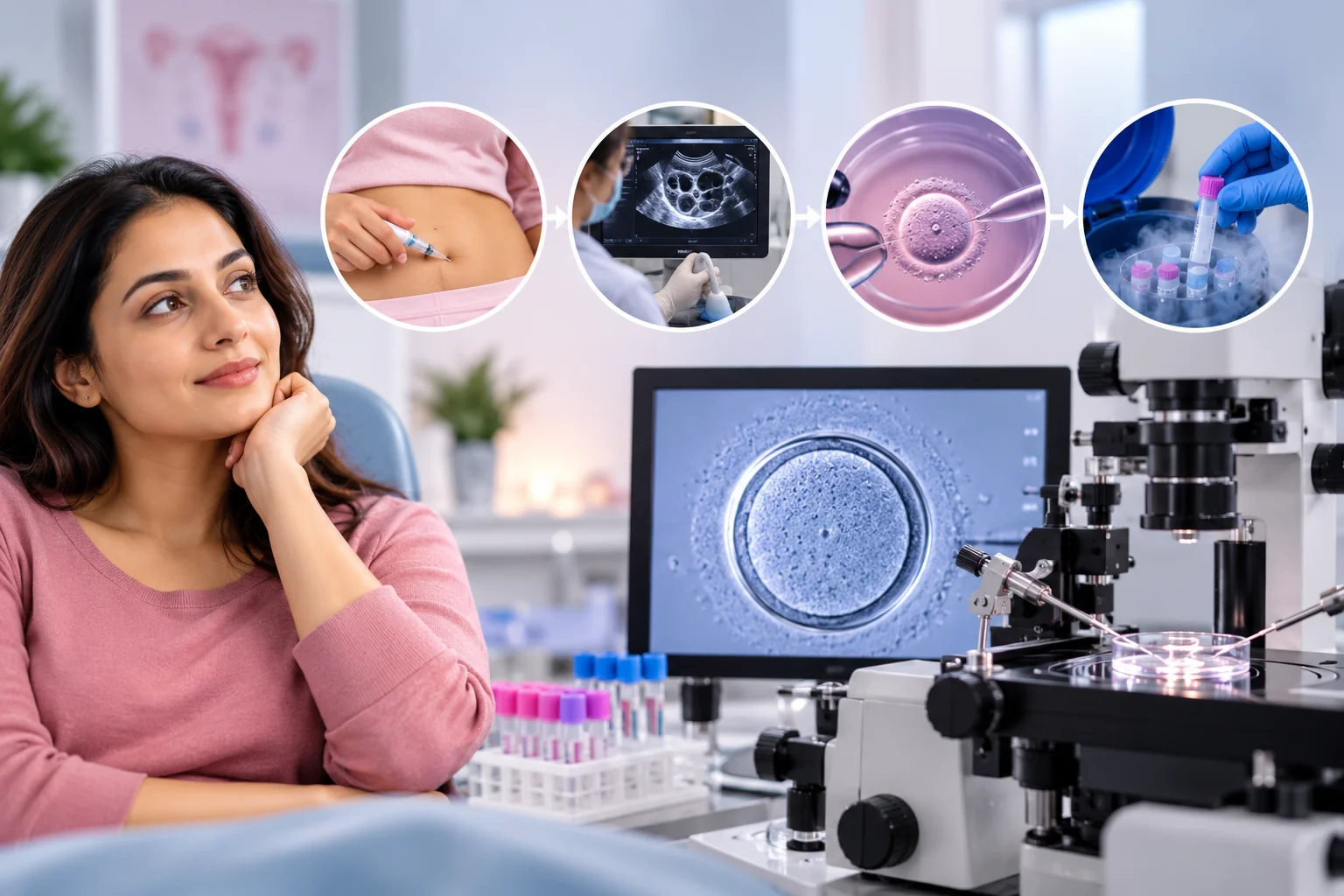
The egg freezing process involves stimulating the ovaries to produce multiple eggs, collecting mature eggs through a short procedure, and freezing them using a technique called vitrification. The frozen eggs can be stored for future use and later thawed, fertilized, and used in IVF when needed.
Key Takeaways
- Egg freezing preserves a woman’s unfertilized eggs for potential future use.
- The process usually involves ovarian stimulation, monitoring, egg retrieval, and freezing.
- Mature eggs are generally frozen using rapid-freezing vitrification.
- Egg freezing does not guarantee a future pregnancy.
- Age and the number of mature eggs retrieved can influence future outcomes.
- A fertility specialist can help determine whether egg freezing is suitable for you.
What Is Egg Freezing?
Egg freezing, medically known as egg cryopreservation, is a fertility preservation
method in which mature, unfertilized eggs are collected and stored at very low temperatures.
Women may consider egg freezing for different reasons. Some may want to delay pregnancy
because of personal, educational, or career plans. Others may consider fertility preservation before certain medical
treatments that could affect ovarian function.
At Flora Fertility Centre, women can discuss their reproductive goals with a fertility
specialist and understand the available fertility preservation options.
How Does the Egg Freezing Process Work?
The egg freezing process is completed in several stages. Your exact treatment plan may differ depending on your age, ovarian reserve, medical history, and response to medication.
Step 1: Fertility Assessment
Before starting treatment, your doctor will assess your reproductive health. This may include a medical history, ultrasound, and blood tests to evaluate ovarian reserve and hormone levels.
This initial assessment helps the fertility team understand how your ovaries may respond to stimulation and discuss realistic expectations.
Step 2: Ovarian Stimulation
You will usually receive hormone injections for around 8–14 days to encourage the ovaries to develop multiple follicles rather than a single egg.
Your doctor will monitor your progress through ultrasound scans and, when required, blood tests. Medication doses may be adjusted according to your response.
Step 3: Monitoring Egg Development
Regular monitoring is an important part of the cryopreservation process. Ultrasound examinations help the doctor track follicle growth and determine when the eggs are ready for retrieval.
Once the follicles reach an appropriate stage of development, a final maturation injection is given at the recommended time.
Step 4: Egg Retrieval
Egg retrieval is a short procedure performed under appropriate sedation or anesthesia.
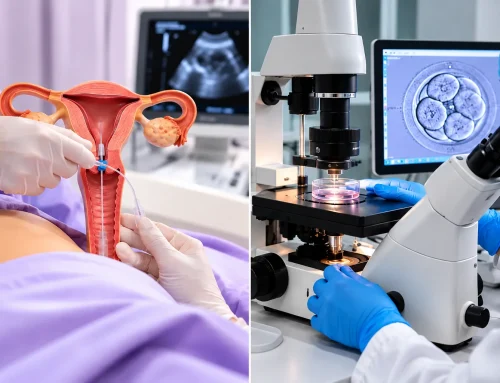
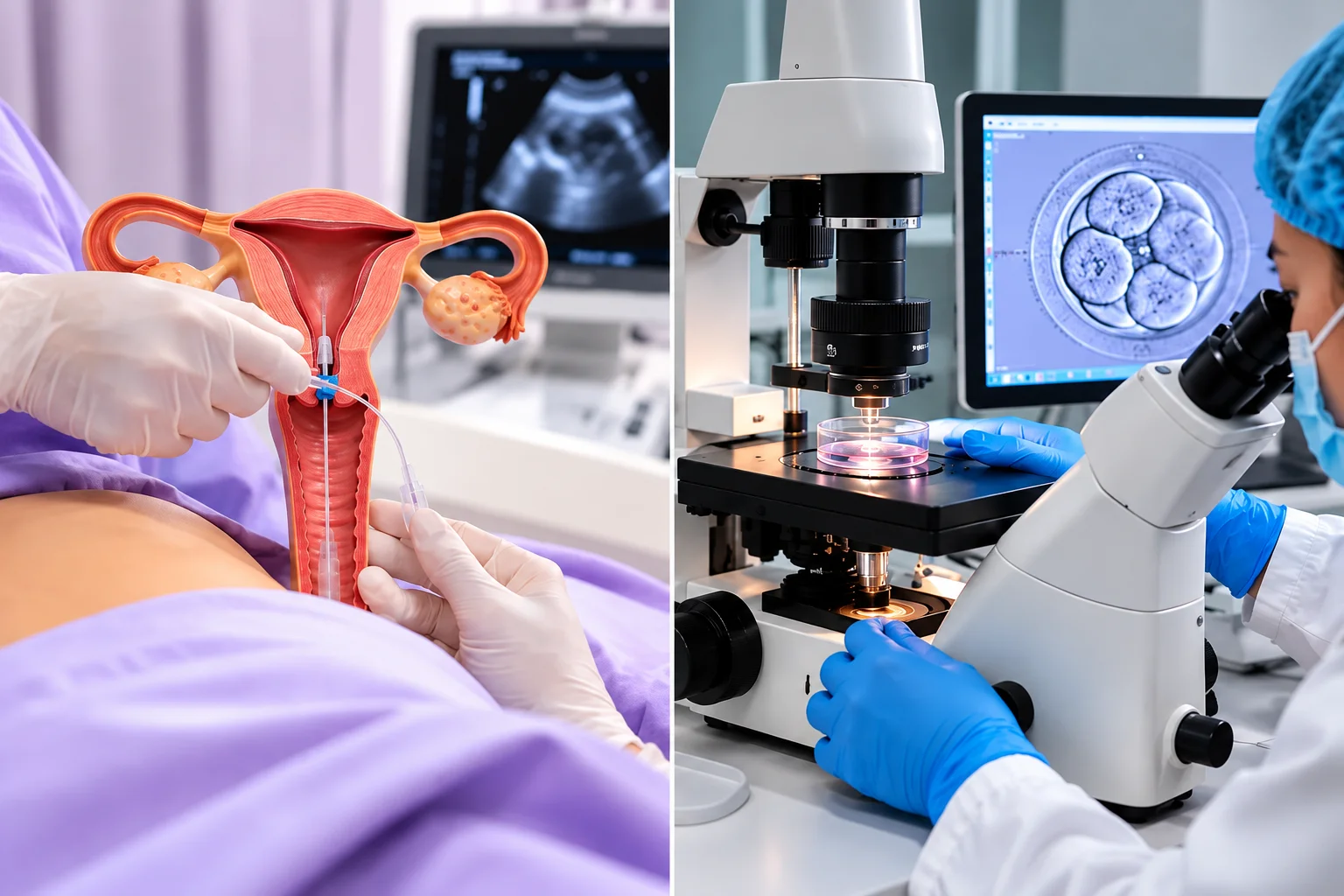
A fertility specialist uses an ultrasound-guided needle to collect eggs from the developed ovarian follicles. The procedure generally takes around 15–30 minutes, although the exact duration can vary.
After retrieval, you may experience mild cramping, bloating, or pelvic discomfort for a short period.
Step 5: Checking the Eggs
The collected eggs are examined in the embryology laboratory. Not every retrieved egg will necessarily be mature enough to freeze.
The mature eggs are selected for freezing because their maturity is important for their potential future use.
Step 6: Freezing the Eggs
The mature eggs undergo egg cryopreservation using vitrification, a rapid-freezing technique.
The eggs are treated with specially prepared cryoprotective solutions and rapidly cooled to extremely low temperatures. They are then stored in carefully monitored cryogenic tanks.
Rapid freezing helps reduce the formation of ice crystals that could damage the egg’s cellular structure
Step 7: Long-Term Storage
Frozen eggs can remain stored for future use according to applicable medical protocols and regulations.
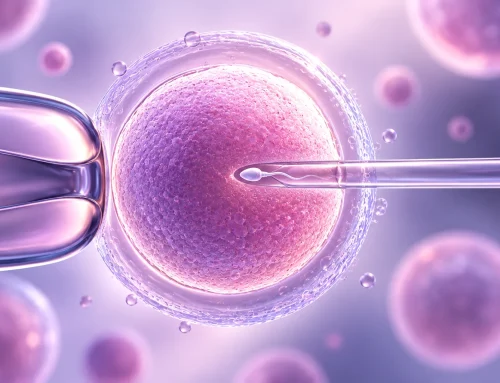
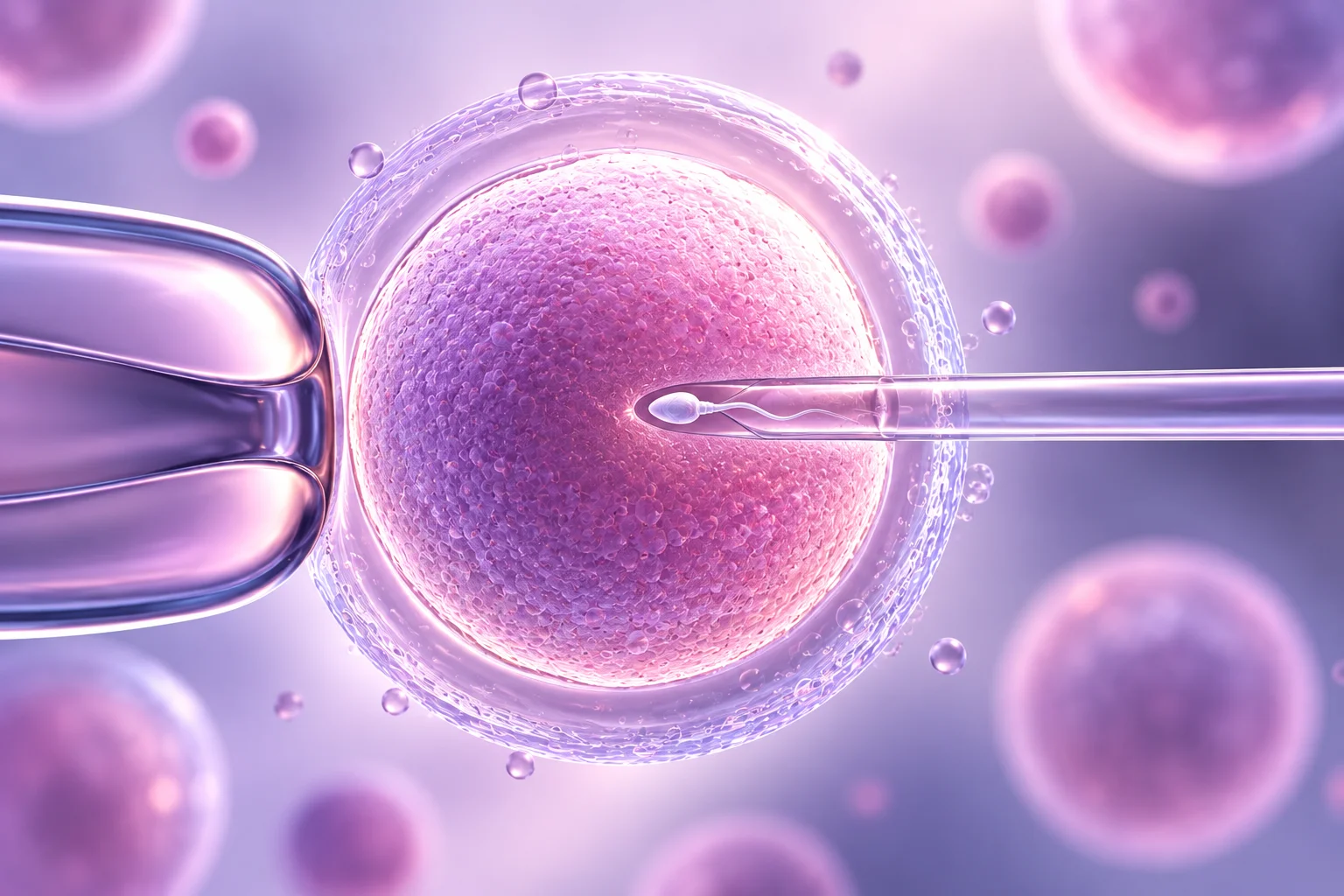
When you decide to try for pregnancy, the eggs can be carefully thawed. Surviving mature eggs may then be fertilized with sperm, usually through intracytoplasmic sperm injection (ICSI), to create embryos for possible transfer.
What Factors Affect Egg Freezing?
Egg freezing can preserve eggs, but it cannot stop the natural effects of aging on
fertility. Important factors include:
- Age at freezing: Egg quality generally declines with age.
- Ovarian reserve: This can affect the number of eggs retrieved.
- Number of mature eggs: More mature eggs may provide more opportunities for future treatment, although outcomes are not guaranteed.
- Overall health:Certain medical conditions and treatments can affect fertility.
- Laboratory quality:Proper handling, freezing, storage, and thawing are important.
For women considering cryopreservation in Ahmedabad, a consultation with a fertility specialist can help explain these factors based on individual circumstances.
Is Egg Freezing Painful?
The experience varies from woman to woman. Hormonal injections may cause temporary discomfort, bloating, mood changes, or breast tenderness. Egg retrieval is performed with pain management or sedation, so significant discomfort during the procedure is generally minimized.
Your fertility team will explain what to expect before treatment and how to manage common side effects.
When Should You Consider Freezing Your Eggs?
There is no single age that is right for every woman. Generally, discussing fertility preservation earlier rather than later may be useful because egg quantity and quality naturally change with age.
If you are considering delaying pregnancy, speak with a fertility specialist to understand your ovarian reserve, treatment options, expected egg yield, and realistic outcomes.
Conclusion
The egg freezing process offers women an option to preserve their eggs for future use.
At Flora Fertility Centre, our fertility specialists provide personalized guidance through every step, from
assessment to storage, helping you understand your options and make an informed decision.