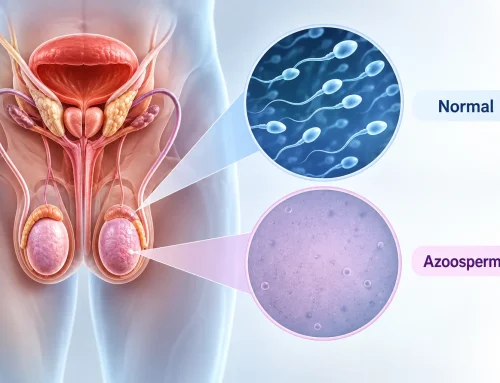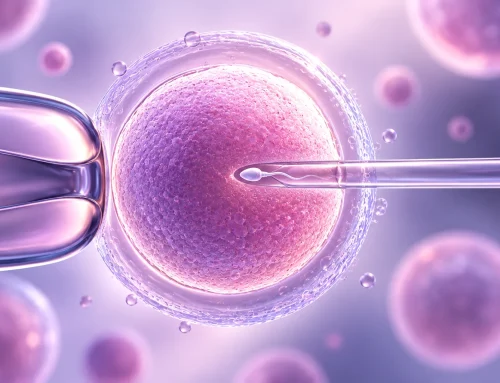
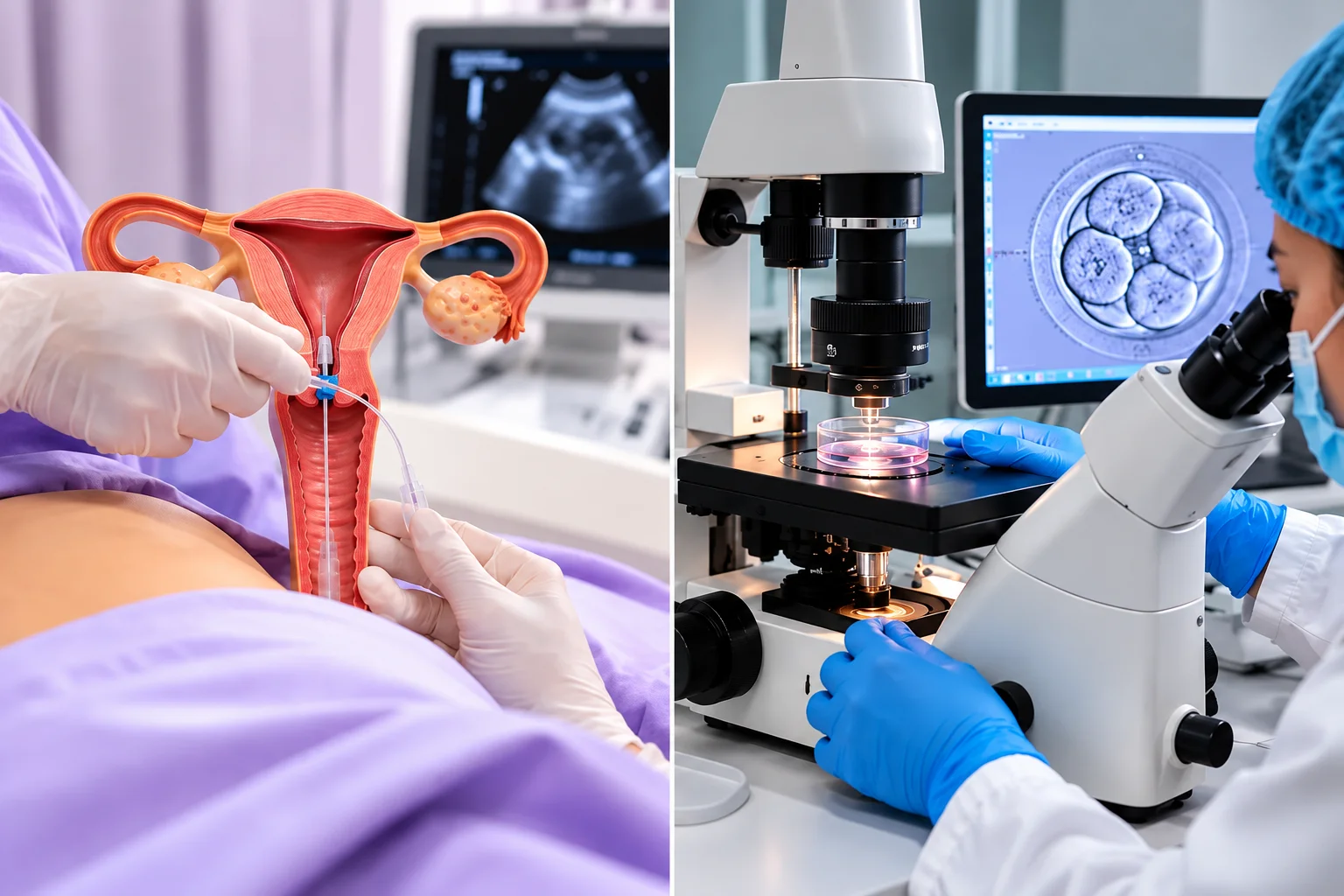
IUI vs IVF are both fertility treatments, but they work differently. IUI places prepared sperm directly into the uterus, while IVF involves fertilizing an egg with sperm in a laboratory before transferring the embryo into the uterus. The right option depends on factors such as age, fertility diagnosis, sperm health, ovarian reserve, fallopian tube condition, and previous treatment results.
Key Takeaways
- IUI is less invasive and usually involves a simpler treatment process.
- IVF offers more control over fertilization and embryo development.
- IUI may be considered for certain cases of unexplained infertility or mild male-factor infertility.
- IVF may be recommended when there are blocked tubes, severe male-factor infertility, reduced ovarian reserve, or previous unsuccessful fertility treatments.
- A fertility specialist can help determine which approach is appropriate for you.
What Is IUI?
Intrauterine insemination, or IUI, is a fertility treatment in which specially prepared sperm is placed directly into the uterus around the time of ovulation. The goal is to increase the chances of sperm reaching the egg.
An IUI cycle may involve tracking ovulation naturally or using medicines to stimulate the ovaries. The sperm sample is then processed in a laboratory, and the prepared sperm is inserted into the uterus using a thin catheter.
IUI fertility treatment is generally less invasive than IVF and may be considered when the fallopian tubes are open and other fertility factors are suitable.
What Is IVF?
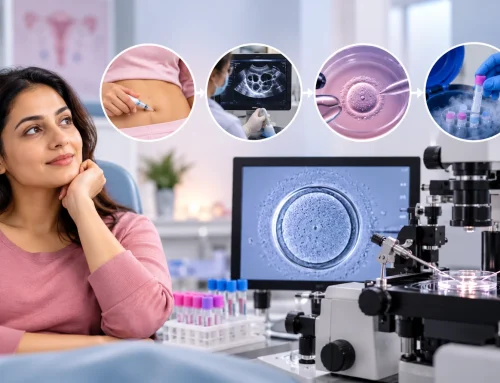
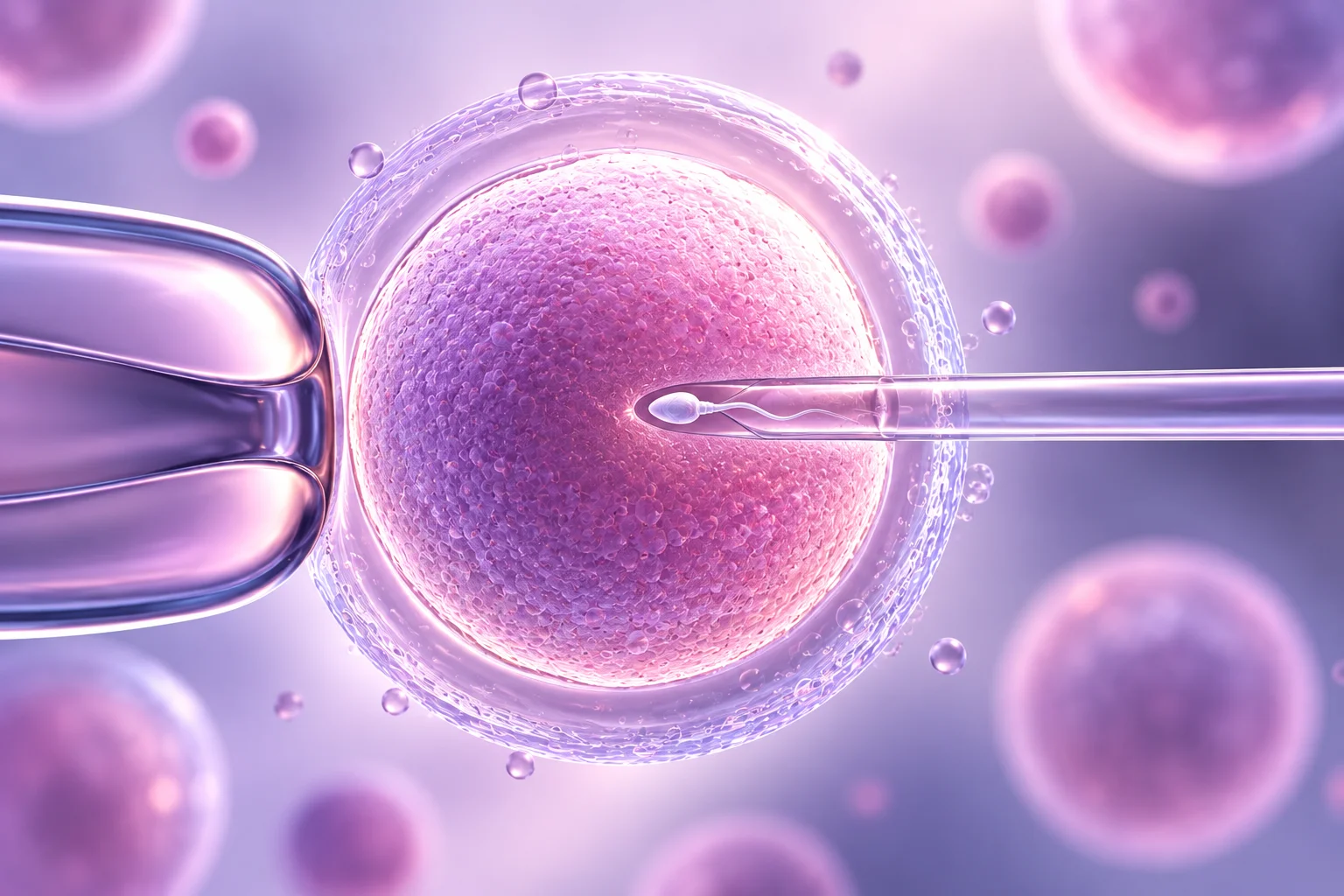
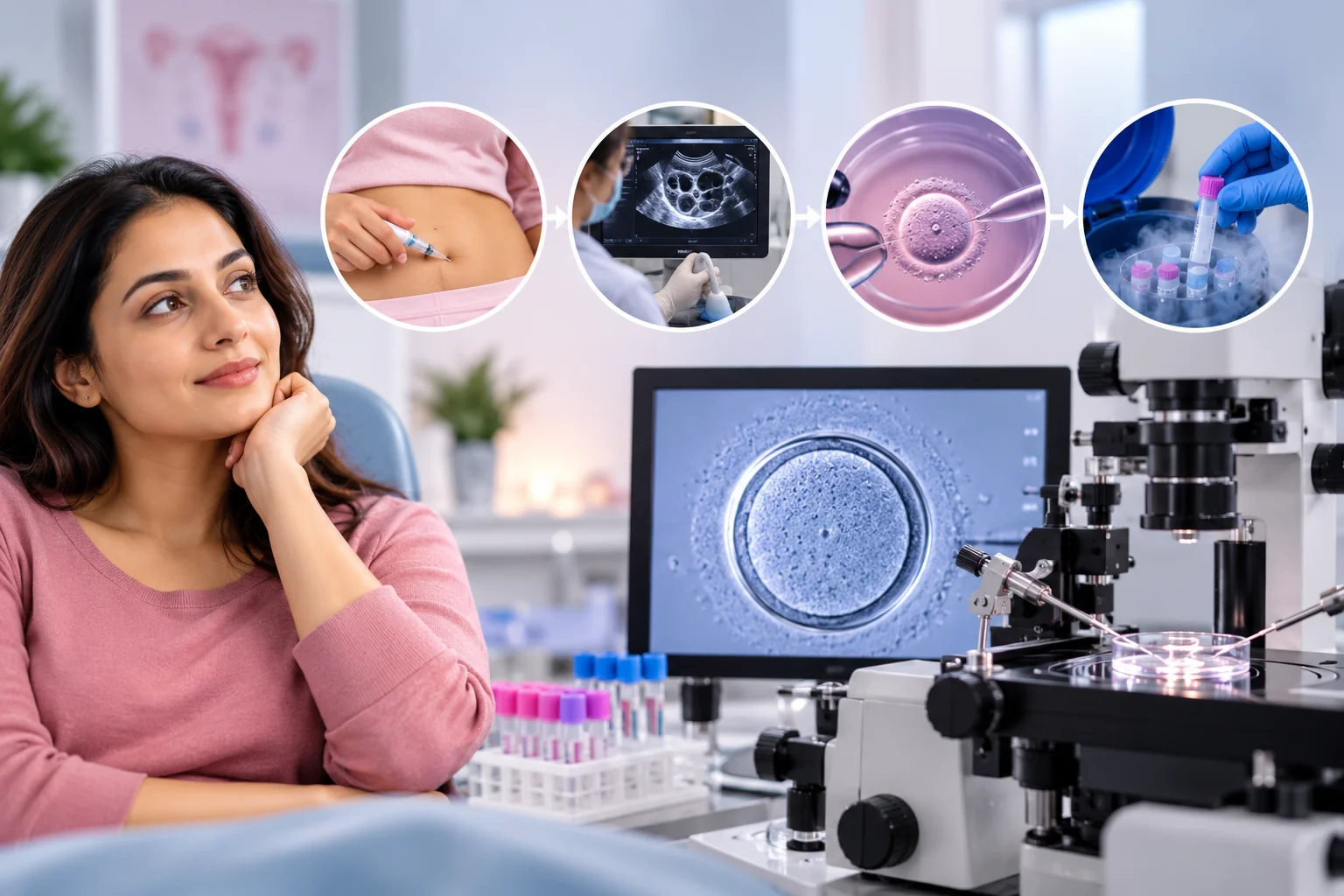
In vitro fertilization (IVF) is a more advanced assisted reproductive treatment. During an IVF cycle, medicines are used to stimulate the ovaries so that multiple eggs can develop. The eggs are collected and fertilized with sperm in a laboratory.
Once embryos develop, an embryo may be transferred into the uterus. Depending on the individual situation, additional embryos may be frozen for possible future use.
IVF fertility treatment can be considered for several fertility conditions and may provide an option when simpler treatments are unlikely to be suitable.
IUI vs IVF: What Is the Difference?
| Factor | IUI | IVF |
|---|---|---|
| Fertilization | Happens inside the body | Happens in a laboratory |
| Procedure | Simpler and less invasive | More involved |
| Egg collection | Not usually required | Required |
| Embryo development | Happens inside the body | Monitored in the laboratory |
| Treatment control | Less control over fertilization | Greater control over fertilization and embryo development |
| Typical use | Selected fertility conditions | Wider range of fertility conditions |
The main difference between IUI vs IVF is where fertilization takes place. IUI helps sperm reach the egg more easily, while IVF brings the egg and sperm together outside the body before an embryo is transferred.
When May IUI Be Considered?
IUI fertility treatment may be considered when a couple has suitable fertility factors and does not require the more extensive approach of IVF.
A doctor may discuss IUI in situations such as:
- Unexplained infertility
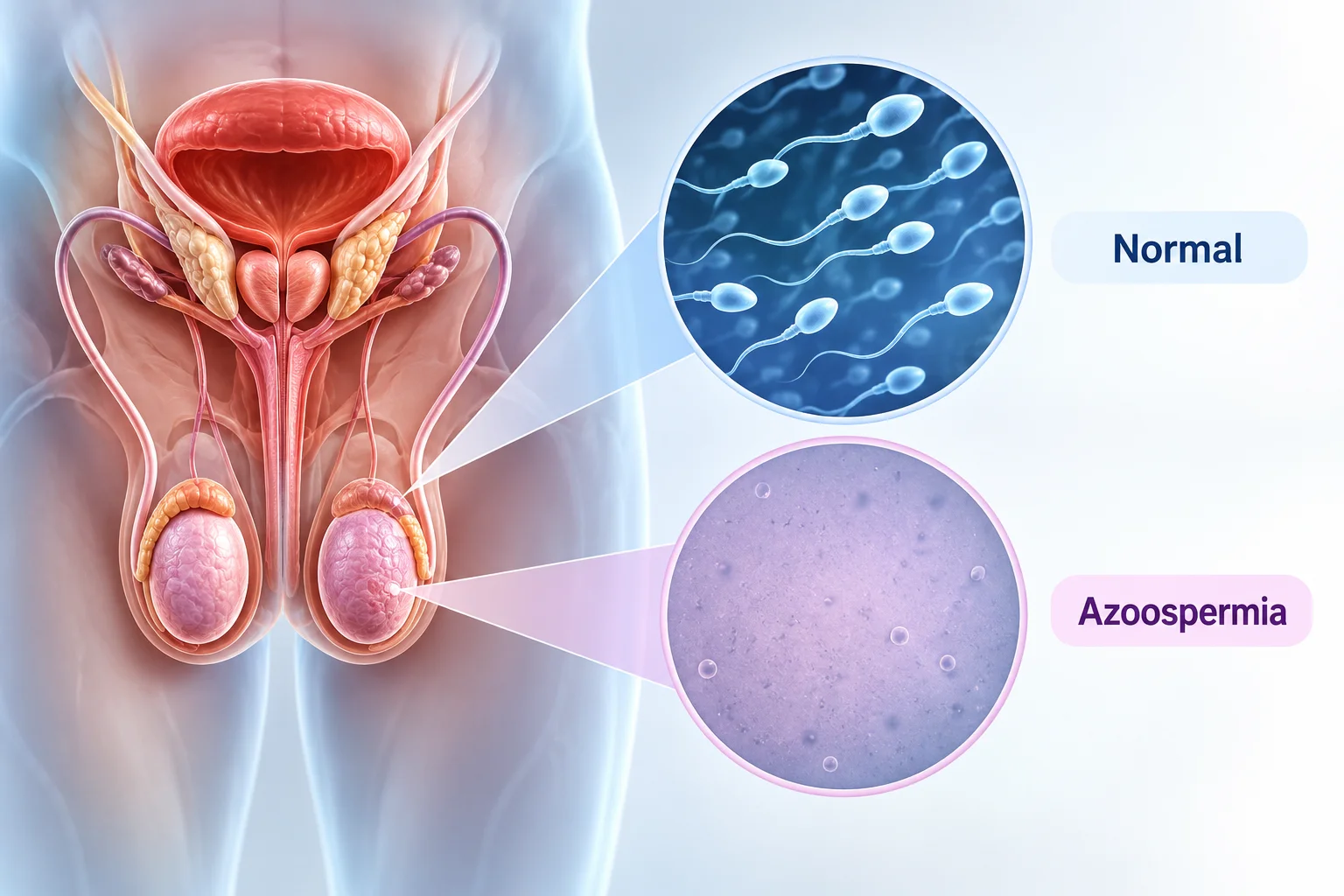
- Mild male-factor infertility
- Certain ovulation-related problems
- Difficulty with intercourse or sperm delivery
- Use of donor sperm in appropriate situations
IUI is not suitable for everyone. For example, significantly blocked fallopian tubes or certain severe fertility problems may require another approach.
When May IVF Be Recommended?
IVF treatment may be considered when there are factors that can make natural fertilization or IUI less likely to work.
These may include:
- Blocked or severely damaged fallopian tubes
- Severe male-factor infertility
- Reduced ovarian reserve
- Endometriosis in some cases
- Previous unsuccessful fertility treatments
- Certain cases requiring advanced reproductive techniques
The recommendation depends on the complete fertility evaluation rather than one factor alone.
Which Treatment Is Right for You?
There is no single fertility treatment that works best for every couple. Your doctor may consider your age, how long you have been trying to conceive, ovarian reserve, ovulation, sperm parameters, fallopian tube health, medical history, and previous treatments.
For some couples, starting with IUI may be reasonable. Others may benefit from moving directly to IVF to avoid delays or because their fertility condition makes IUI less suitable.
At Flora Fertility Centre, a personalised assessment can help you understand your available options and what each treatment involves.
IUI vs IVF: What About Success Rates?
Success rates can vary considerably between individuals and treatment cycles. Age, egg quality, sperm quality, ovarian reserve, embryo quality, underlying fertility conditions, and clinic-specific factors can all affect outcomes.
It is therefore better to discuss your individual chances with a fertility specialist rather than relying only on general success-rate figures found online.
How Do You Choose Between IUI and IVF?
The decision should be based on your fertility evaluation, treatment goals, medical history, and your doctor’s recommendation. Ask about:
- Why a particular treatment is being suggested
- Your expected chances of success
- How many cycles may be considered
- Possible risks and side effects
- The estimated treatment cost
- What happens if the first treatment is unsuccessful
Understanding these factors can make the decision less overwhelming and help you choose a treatment plan based on your individual needs.
Final Thoughts
Both IUI and IVF can play an important role in fertility care, but they are designed for different situations. IUI fertility treatment is generally simpler, while IVF fertility treatment involves laboratory fertilization and embryo transfer.
If you are considering IUI vs IVF, speak with a fertility specialist at Flora Fertility Centre to understand which option may be appropriate based on your fertility assessment, rather than choosing a treatment based only on cost or general success rates.