
Personalized Fertility Care by the Best Infertility Specialist in Ahmedabad
Infertility is becoming increasingly common due to lifestyle changes, stress, hormonal imbalance, delayed pregnancies, obesity, and underlying medical conditions. With timely diagnosis and the right fertility treatment, many couples can successfully achieve pregnancy through natural or assisted reproductive methods.
At Flora Fertility Centre, couples receive personalised fertility care from experienced infertility specialists in Ahmedabad for both male and female fertility concerns. The centre combines advanced reproductive care, modern diagnostics, and assisted reproductive technologies to support couples throughout their parenthood journey.
The fertility team includes experienced specialists such as Dr. Vandana Amin, Dr. Pravin Patel, Dr. Hardik Shah, and Dr. Janki Patel, who bring expertise in IVF, reproductive medicine, laparoscopy, fertility evaluation, and personalized infertility care. Together, the team is dedicated to providing compassionate and individualized fertility treatment for couples.
With advanced treatments including IVF, IUI, ICSI, fertility evaluation, embryo freezing, and reproductive diagnostics, the centre focuses on creating customized fertility solutions based on each couple’s unique needs.
What Is Infertility?
Infertility is a medical condition in which a couple is unable to conceive naturally, even after one year of regular unprotected intercourse during the fertile period.
For women above the age of 35, fertility evaluation is usually recommended after six months of trying to conceive naturally.
Infertility can affect both men and women equally and may occur due to hormonal imbalance, ovulation disorders, low sperm count, poor sperm motility, blocked fallopian tubes, lifestyle factors, or unexplained reproductive conditions.
Today, many infertility problems can be successfully treated with lifestyle modifications, medications, minimally invasive procedures, and advanced fertility treatments such as IUI and IVF.
Understanding the Fertile Period
The fertile period refers to the days during a woman’s menstrual cycle when the possibility of conception is highest.
For women with regular 28–30-day menstrual cycles, the fertile window generally occurs between the 10th and 20th day of the cycle. Intercourse during this phase increases the chances of pregnancy.
How Common Is Infertility?
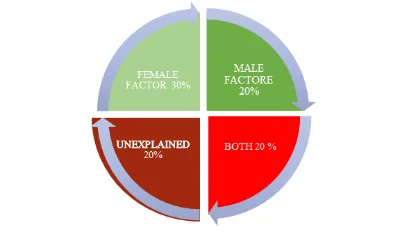
Globally, around 15% of couples require medical attention to conceive successfully.
Infertility factors are commonly distributed as follows:
- Female infertility factors: 30%
- Male infertility factors: 30%
- Both partners are responsible: 20%
- Unexplained infertility: 20%
This highlights the importance of evaluating both partners together during infertility diagnosis and treatment.
Types of Infertility
Primary Infertility
Primary infertility refers to a condition where a couple has never achieved pregnancy despite trying naturally.
Secondary Infertility
Secondary infertility occurs when a couple faces difficulty conceiving after a previous pregnancy, regardless of the pregnancy outcome.
Common Causes of Infertility in Males and Females
Infertility can occur due to medical, hormonal, anatomical, genetic, or lifestyle-related reasons affecting either partner.
Lifestyle Factors That Affect Fertility
Modern lifestyle habits play a major role in increasing fertility problems among men and women.
Common lifestyle-related fertility risks include:
- Stress and anxiety
- Poor dietary habits
- Junk and processed food consumption
- Obesity and diabetes
- Smoking and alcohol use
- Lack of exercise
- Sleep disturbances
- Delayed marriages and pregnancy planning
- Environmental pollution
- Excessive heat and radiation exposure
These factors may affect ovulation, hormone levels, sperm production, egg quality, and reproductive health.
Male Infertility
Male infertility contributes to nearly 50% of infertility cases among couples and is commonly linked to stress, obesity, hormonal imbalance, unhealthy lifestyle habits, smoking, alcohol consumption, and medical conditions. In many cases, fertility problems remain unnoticed until conception difficulties arise.
Male infertility may occur due to low sperm count, poor sperm motility, varicocele, infections, or hormonal disorders affecting sperm production. Consulting an experienced male infertility specialist in Ahmedabad helps identify the exact cause and supports timely fertility treatment planning.
Male Reproductive System and Functions
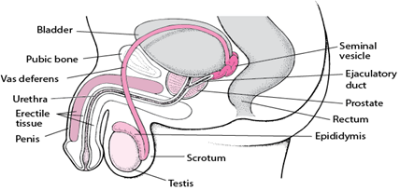
Testes
The testes are the primary male reproductive organs responsible for producing sperm cells and the testosterone hormone. Healthy testicular function is essential for normal sperm production, fertility, and male reproductive health.
Epididymis
The epididymis is a coiled tube located behind the testes where sperm cells are stored, matured, and developed before ejaculation. Proper sperm maturation inside the epididymis is important for sperm motility and fertilization.
Vas Deferens
The vas deferens is a muscular tube that transports mature sperm from the epididymis toward the urethra during ejaculation. Any blockage or damage in the vas deferens can affect sperm transport and male fertility.
Seminal Vesicles
The seminal vesicles produce nutrient-rich seminal fluid that provides energy and nourishment to sperm cells. This fluid forms a major part of semen and supports sperm survival and movement.
Penis
The penis is the male reproductive organ responsible for ejaculation and the release of semen containing sperm during sexual intercourse. Proper erectile and ejaculation function plays an important role in natural conception.
Common Male Infertility Causes
Varicocele
Varicocele refers to enlarged or swollen veins in the scrotum that can increase testicular temperature and affect sperm production. It is one of the most common and treatable causes of male infertility and may lead to low sperm count and poor sperm quality.
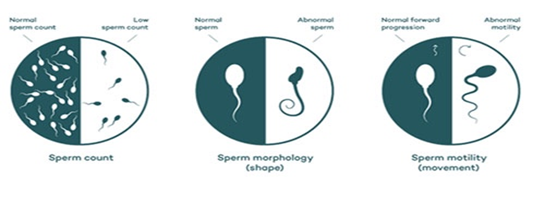
Low Sperm Count
Low sperm count, also known as oligospermia, occurs when the sperm concentration in semen is lower than normal. Reduced sperm count decreases the chances of successful fertilization and natural conception.
Poor Sperm Motility
Poor sperm motility means sperm cells are unable to swim effectively toward the egg for fertilization. Reduced sperm movement can significantly affect fertility and lower pregnancy chances.
Hormonal Imbalance
Hormonal disorders affecting testosterone, pituitary hormones, or thyroid function can interfere with healthy sperm production and male reproductive health. Hormonal imbalance may also reduce libido and sexual function.
Diabetes and Obesity
Diabetes and obesity can negatively affect hormone balance, sperm quality, and reproductive function. These conditions may also increase oxidative stress and reduce fertility potential in men.
Infections and Trauma
Previous infections, surgeries, injuries, or trauma involving the testes and reproductive organs may damage sperm production or block sperm transport pathways, affecting fertility.
Smoking, Alcohol, and Drug Use
Smoking, excessive alcohol consumption, tobacco use, and recreational drugs can reduce sperm count, sperm motility, and sperm quality. These habits also increase the risk of DNA damage in sperm cells.
Genetic Disorders
Certain genetic conditions, such as Klinefelter syndrome and Y chromosome microdeletion, can affect testicular development and sperm production, leading to severe male infertility or azoospermia.
Signs of Male Fertility Problems
Difficulty Conceiving
One of the most common signs of male fertility problems is difficulty achieving pregnancy despite regular unprotected intercourse. Couples who are unable to conceive after one year should consider a fertility evaluation for both partners.
Reduced Sexual Desire
Low libido or reduced sexual desire may indicate hormonal imbalance, low testosterone levels, stress, or underlying medical conditions affecting male reproductive health and fertility.
Erectile Dysfunction
Difficulty achieving or maintaining an erection can affect natural conception and may be associated with hormonal disorders, diabetes, stress, poor blood circulation, or other medical conditions.
Testicular Pain or Swelling
Pain, swelling, or discomfort in the testicular area may indicate infections, varicocele, injury, or other reproductive conditions that can interfere with sperm production and fertility.
Low Sperm Count
Low sperm count reduces the number of sperm available for fertilization, making conception more difficult. This condition is one of the leading causes of male infertility.
Poor Sperm Motility
Poor sperm motility means sperm cells are unable to move efficiently toward the egg for fertilization. Reduced sperm movement can significantly lower the chances of a successful pregnancy.
Male Infertility Evaluation
The diagnosis of male infertility begins with a detailed medical history, physical examination, and fertility testing.
Semen Analysis
Semen analysis is one of the most important diagnostic tests for evaluating male fertility.
The test evaluates:
- Sperm count
- Sperm motility
- Sperm morphology
- Semen quality
Common Semen Analysis Terms
| Condition | Meaning |
| Azoospermia | Absence of sperm in semen |
| Oligospermia | Low sperm count |
| Asthenozoospermia | Low sperm motility |
| Teratozoospermia | Abnormal sperm shape |
| Aspermia | Absence of semen |
Advanced Male Infertility Evaluation
Proper diagnosis plays an important role in identifying the exact cause of male infertility and selecting the most effective treatment plan. Along with semen analysis, additional fertility investigations help evaluate sperm production, reproductive organ health, hormonal balance, and genetic conditions affecting male fertility.
USG & Doppler of Scrotum (Most Common Test)
Scrotal ultrasound and Doppler study are commonly performed to evaluate:
- Varicocele
- Testicular disorders
- Structural abnormalities affecting fertility
Varicocele
Varicocele refers to enlarged veins in the scrotum that can negatively affect sperm production and sperm quality. Grade III and Grade IV varicoceles may require minor surgical correction to improve male fertility outcomes.
Testicular Disorders
Ultrasound helps detect infections, swelling, trauma, cysts, tumors, or abnormalities in the testes that may affect sperm production and reproductive function.
Hormonal Analysis
Hormonal evaluation is recommended in cases of severe oligoasthenospermia and other significant sperm abnormalities.
Hormone testing may include:
- Testosterone
- FSH
- LH
- Prolactin
- Thyroid hormones
Hormonal imbalance can interfere with sperm production, libido, and male reproductive health.
Testicular Biopsy
Testicular biopsy is commonly performed in cases of azoospermia, where no sperm are present in semen.
This procedure helps determine whether:
- sperm production is occurring inside the testes
- The blockage is preventing sperm release
It also assists in planning advanced infertility treatment options.
Genetic Testing for Male Infertility
Genetic testing may be advised in severe male infertility cases to identify chromosomal or genetic abnormalities affecting sperm production.
Common Genetic Tests Include:
- Chromosomal analysis (Karyotyping)
- Y chromosome microdeletion testing
Certain genetic disorders may contribute to severe oligospermia or azoospermia.
Categories of Semen Analysis
Semen analysis helps evaluate sperm count, motility, and morphology to assess the severity of male infertility.
| Parameters | Normal | Mild / Moderate (Oligozoospermia / Asthenozoospermia / Teratozoospermia) | Severe Oligozoospermia / Asthenozoospermia / Teratozoospermia | Azoospermia |
| Count | >15 Million/ml | 5–15 Million/ml | 1–5 Million/ml | Absent |
| Motility | >50% RP : >30% | <25% | <15% | Absent |
| Morphology | >4% Normal | <4% | <2% | Absent |
These semen analysis categories help fertility specialists determine the most suitable treatment options for male infertility.
Importance of Repeat Semen Analysis
There can be natural variations in semen analysis results between two samples collected a few days apart.
If the first semen analysis report is abnormal, the test is usually repeated after 15 days for accurate fertility evaluation and treatment planning.
How to Treat Male Infertility?
Male infertility treatment depends on the underlying cause, severity of sperm abnormalities, hormonal status, and fertility evaluation of both partners.
An experienced male infertility specialist recommends personalized treatment options based on semen analysis findings and reproductive health conditions.
Treatment of Underlying Causes
Surgical Treatment of Varicocele
Grade III and Grade IV varicoceles may require minor surgery to improve sperm production and fertility.
Control of Chronic Medical Conditions
Managing conditions such as:
- Diabetes
- Hypertension
- Thyroid disorders
can help improve male reproductive health and sperm quality.
Avoiding Harmful Medications
Certain medications may negatively affect spermatogenesis and sperm production. Medical guidance is important before continuing such medications.
Lifestyle Modification
Stopping tobacco, smoking, alcohol consumption, and recreational drugs can significantly improve fertility outcomes.
Nutritional Supplements and Lifestyle Changes
Lifestyle improvement and nutritional support are commonly recommended for male fertility enhancement.
Common Fertility Supplements Include:
- Vitamin supplementation
- Antioxidants
- CoQ10
- Lycopene
- Arginine
Certain Ayurvedic medications may also be considered as supportive fertility treatment under medical supervision.
Medications for Male Infertility Treatment
Clomiphene Citrate / Letrozole
Used in oligospermia treatment to improve sperm production and hormonal balance.
Pentoxifylline
Recommended in cases of asthenozoospermia to help improve sperm motility.
Injectable Hormonal Therapy
Hormonal injections may be used in severe oligoasthenospermia and selected cases of non-obstructive azoospermia.
ART (Assisted Reproductive Technology)
Advanced assisted reproductive technology helps couples achieve pregnancy when natural conception becomes difficult.
Simple Fertility Procedures
Ovulation Induction with Timed Intercourse
Ovulation induction helps improve pregnancy chances by timing intercourse during ovulation.
Ovulation Induction with IUI
Intrauterine insemination (IUI) improves fertilization chances by placing processed sperm directly into the uterus.
IVF and Advanced Fertility Treatments
Conventional IVF
Eggs and sperm are fertilized outside the body in a laboratory setting.
ICSI
Intracytoplasmic sperm injection (ICSI) involves direct injection of a single sperm into the egg and is commonly used in severe male infertility.
TESA / PESA
These sperm retrieval procedures are performed in men with azoospermia or severe sperm production issues.
IMSI
An advanced sperm selection technique is used in selected IVF cases.
Sperm Donation
Donor sperm may be considered in severe male infertility conditions where sperm retrieval is not possible.
Research-Level Fertility Treatments
PRP Therapy
Platelet-rich plasma (PRP) therapy is an emerging treatment approach being explored in reproductive medicine and fertility enhancement.
DFI (DNA Fragmentation Index)
DFI testing evaluates sperm DNA quality and helps identify hidden male infertility factors that may affect fertilization and pregnancy outcomes.
Female Infertility
Female infertility occurs when a woman faces difficulty conceiving naturally due to problems affecting ovulation, hormonal balance, fallopian tubes, uterus, ovarian reserve, or overall reproductive health. Today, infertility issues in women are increasing due to stress, delayed pregnancy planning, hormonal disorders, obesity, lifestyle factors, and medical conditions affecting fertility.
At Flora Fertility Centre, patients receive advanced evaluation and personalized female infertility treatment in Ahmedabad based on their reproductive condition and fertility goals. Early diagnosis and timely fertility care significantly improve pregnancy outcomes and reproductive health.
Functions of Female Reproductive Organs
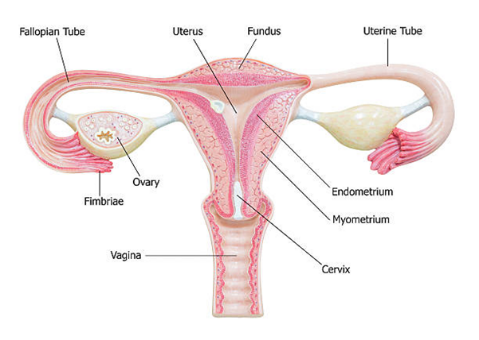
Ovary
The ovaries are responsible for producing eggs (ovum) and important reproductive hormones such as estrogen and progesterone. Healthy ovarian function is essential for ovulation, menstrual cycle regulation, and successful conception.
Fallopian Tubes
The fallopian tubes help pick up the ovum after ovulation, transport the egg and fertilized embryo, and provide the proper environment for fertilization between sperm and egg.
Uterus
The uterus supports implantation of the fertilized embryo and provides nourishment and space for embryo growth during pregnancy. Uterine abnormalities can contribute to fertility problems and implantation failure.
Reasons for Female Infertility
Multiple reproductive and medical conditions may affect female fertility and reduce the chances of natural conception.
PCOS
Polycystic Ovary Syndrome (PCOS) is one of the most common reasons for female infertility. It affects hormone balance and ovulation, making it difficult for women to release eggs regularly.
Hormonal Imbalance
Hormonal imbalance may interfere with ovulation, menstrual cycles, egg development, and reproductive function, leading to fertility problems.
Endometriosis
Endometriosis occurs when tissue similar to the uterine lining grows outside the uterus, causing pelvic pain, inflammation, and infertility issues in women.
Fibroids
Fibroids are non-cancerous uterine growths that may affect implantation and pregnancy depending on their size and location.
Blocked Fallopian Tubes
Blocked or damaged fallopian tubes prevent the egg and sperm from meeting naturally, reducing fertilization chances.
Thyroid Disorders
Thyroid imbalance can affect ovulation, menstrual regularity, hormone levels, and overall reproductive health.
Poor Ovarian Reserve
Poor ovarian reserve means reduced egg quantity or quality, which can lower fertility potential and conception success.
Age-Related Fertility Decline
Female fertility naturally declines with age, especially after 35 years, due to reduced ovarian reserve and egg quality.
Signs of Infertility in Women
Early identification of fertility symptoms helps improve diagnosis and treatment outcomes.
Irregular Menstrual Cycles
Irregular or missed periods may indicate ovulation disorders or hormonal imbalance affecting fertility.
Painful Periods
Severe menstrual pain can sometimes be associated with endometriosis or other reproductive disorders linked to infertility.
Pelvic Pain
Persistent pelvic pain may indicate reproductive organ conditions affecting fertility and conception.
Hormonal Imbalance
Symptoms such as acne, excessive hair growth, weight gain, or irregular periods may suggest a hormonal imbalance affecting reproductive health.
Recurrent Miscarriages
Repeated pregnancy loss may occur due to hormonal disorders, uterine abnormalities, or genetic conditions affecting fertility.
Difficulty Conceiving
The inability to achieve pregnancy after regular unprotected intercourse is one of the most common signs of infertility in women.
Women experiencing these symptoms should seek a timely fertility consultation and reproductive evaluation.
Evaluation of Female Factors
FEMALE FACTORS CHART
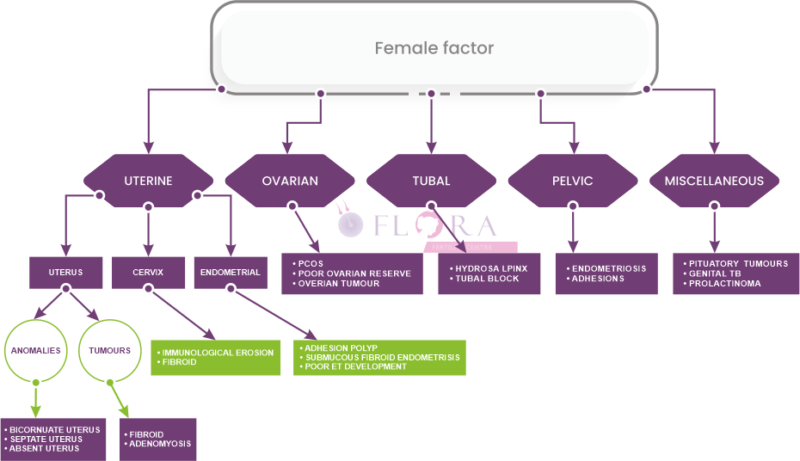
Proper fertility evaluation helps identify the exact causes of infertility in males and females and supports personalized fertility treatment planning.
Proper History and Examination
Detailed medical history and physical examination help evaluate menstrual irregularities, hormonal symptoms, reproductive disorders, and lifestyle factors affecting fertility.
General Blood Investigations
Blood tests help rule out medical conditions such as diabetes, thyroid disorders, infections, and hormonal imbalances contributing to fertility problems.
Baseline Sonography
Baseline ultrasound examination helps evaluate:
- Uterine abnormalities
- Ovarian reserve
- Endometrial thickness
- Fibroids
- Ovarian cysts
- Structural reproductive problems
Hormonal Tests
Hormonal evaluation helps assess ovulation and reproductive hormone balance.
TSH
TSH testing helps identify thyroid disorders affecting ovulation and fertility.
Prolactin
Elevated prolactin hormone levels may interfere with ovulation and menstrual cycles.
AMH
AMH testing evaluates ovarian reserve and egg quantity.
FSH
FSH testing helps assess ovarian function and egg development.
LH
LH hormone plays an important role in ovulation and reproductive health.
Testosterone
Abnormal testosterone levels may indicate PCOS or a hormonal imbalance.
DHEAS
DHEAS testing evaluates adrenal hormone imbalance affecting fertility.
Tubal Patency Test
Tubal patency testing evaluates whether the fallopian tubes are open and functioning properly for fertilization and pregnancy.
Hysterosalpingography (HSG)
HSG is an imaging procedure used to examine the uterus and fallopian tubes for blockages, structural abnormalities, or tubal damage affecting fertility.
Laparohysteroscopy
Laparohysteroscopy is a minimally invasive diagnostic and therapeutic procedure used to identify and treat fertility problems such as:
- Endometriosis
- Fibroids
- Adhesions
- Tubal disorders
- Uterine abnormalities
Genetic Testing
Genetic testing may be recommended in selected infertility cases involving recurrent miscarriages or unexplained reproductive problems.
Karyotype Analysis
Karyotyping helps identify chromosomal abnormalities affecting fertility and pregnancy outcomes.
Exome Sequencing
Exome sequencing may help detect inherited genetic conditions associated with infertility.
Female Infertility Treatment
Female infertility treatment depends on the underlying reproductive condition, age, hormonal balance, and fertility goals of the couple.
Control of Medical Disorders
Managing conditions such as:
- Diabetes
- Thyroid disorders
- Hormonal imbalance
- Obesity
can improve reproductive health and fertility outcomes.
Nutritional Supplements
Nutritional supplements, antioxidants, vitamins, and lifestyle modifications help support hormonal balance, egg quality, and reproductive health.
Correction of Female Factors Responsible for Infertility
Myomectomy
Myomectomy removes large fibroids or fibroids affecting the uterine cavity and implantation.
Metroplasty
Metroplasty corrects structural abnormalities of the uterus associated with infertility and miscarriage.
Adhesiolysis
Adhesiolysis removes pelvic adhesions and scar tissue affecting reproductive organ function.
Ovarian Tumour Removal
Removal of ovarian tumors may improve ovarian function and reproductive health.
Surgery for Endometriosis
Surgical treatment for advanced endometriosis helps improve fertility and reduce pelvic inflammation.
Septum Resection
Septum resection corrects uterine septum abnormalities linked to infertility and recurrent miscarriages.
Tubal Cannulation
Tubal cannulation helps open blocked fallopian tubes and improves conception chances.
Polypectomy
Polypectomy removes uterine polyps affecting implantation and fertility.
Most of these procedures are performed through therapeutic laparohysteroscopy for faster recovery and minimal invasiveness.
ET Development Treatment
ET development treatment focuses on improving endometrial thickness and uterine lining development for successful embryo implantation.
Treatment of Prolactinemia and Genital TB
Treating elevated prolactin levels and genital tuberculosis is important because these conditions may interfere with ovulation, implantation, and fertility.
ART (Assisted Reproductive Technology)
Advanced assisted reproductive technology helps couples achieve pregnancy when natural conception becomes difficult.
Simple Fertility Procedures
Ovulation Induction with Timed Intercourse
Ovulation induction stimulates egg release and improves pregnancy chances during the fertile period.
Ovulation Induction with IUI
Intrauterine insemination (IUI) improves fertilization chances by placing processed sperm directly into the uterus.
PRP Injection
Platelet-rich plasma (PRP) therapy is an emerging fertility treatment being explored for improving ovarian and endometrial function in selected patients.
IVF and Advanced Fertility Treatments
Conventional IVF
IVF involves fertilizing eggs and sperm outside the body before transferring embryos into the uterus.
ICSI
ICSI is an advanced IVF procedure where a single sperm is injected directly into the egg to improve fertilization success.
Ovum Donation
Egg donation may be recommended for women with poor ovarian reserve or reduced egg quality.
Embryo Donation
Embryo donation is an option for couples unable to conceive using their own reproductive cells.
DFI (DNA Fragmentation Index)
DFI testing helps assess sperm DNA quality and identify hidden male infertility factors that may affect fertility outcomes.
Surrogacy
Surrogacy is a fertility option for couples facing severe reproductive or medical challenges preventing pregnancy.
Emotional Health and Fertility Care
Infertility can affect emotional well-being and mental health in both partners.
Couples dealing with fertility challenges may experience:
- Stress
- Anxiety
- Emotional pressure
- Depression
Relationship strain
Emotional counselling and supportive fertility care can improve the overall treatment journey and patient confidence.
At Flora Fertility Centre, patients receive compassionate fertility support along with personalized reproductive care.
Why Early Fertility Consultation Matters
Delaying fertility treatment may reduce conception chances, especially with increasing age.
Consulting an experienced infertility specialist in Ahmedabad at the right time helps identify fertility problems early and improves treatment outcomes.