Oligospermia, also known as low sperm count, is a condition in which semen contains fewer sperm than the usual reference level. It can make natural conception more difficult, but it does not always mean that pregnancy is impossible. The right approach depends on the underlying cause, sperm quality, and both partners’ fertility health.
Understanding the causes, diagnosis, and available treatment options can help couples make informed decisions about their reproductive health.
What Is Oligospermia?
Oligospermia is a medical condition in which sperm concentration is below 15 million sperm per milliliter of semen, according to commonly used reference criteria. It may result from hormonal imbalances, varicocele, infections, genetic conditions, certain medications, or lifestyle factors.
Oligospermia treatment depends on the cause and may include lifestyle changes, medication for specific conditions, surgery in selected cases, or assisted reproductive techniques such as IVF and ICSI.
What Are the Types of Oligospermia?
Oligospermia is commonly classified by the severity of the reduction in sperm concentration. The exact classification can vary between medical references.
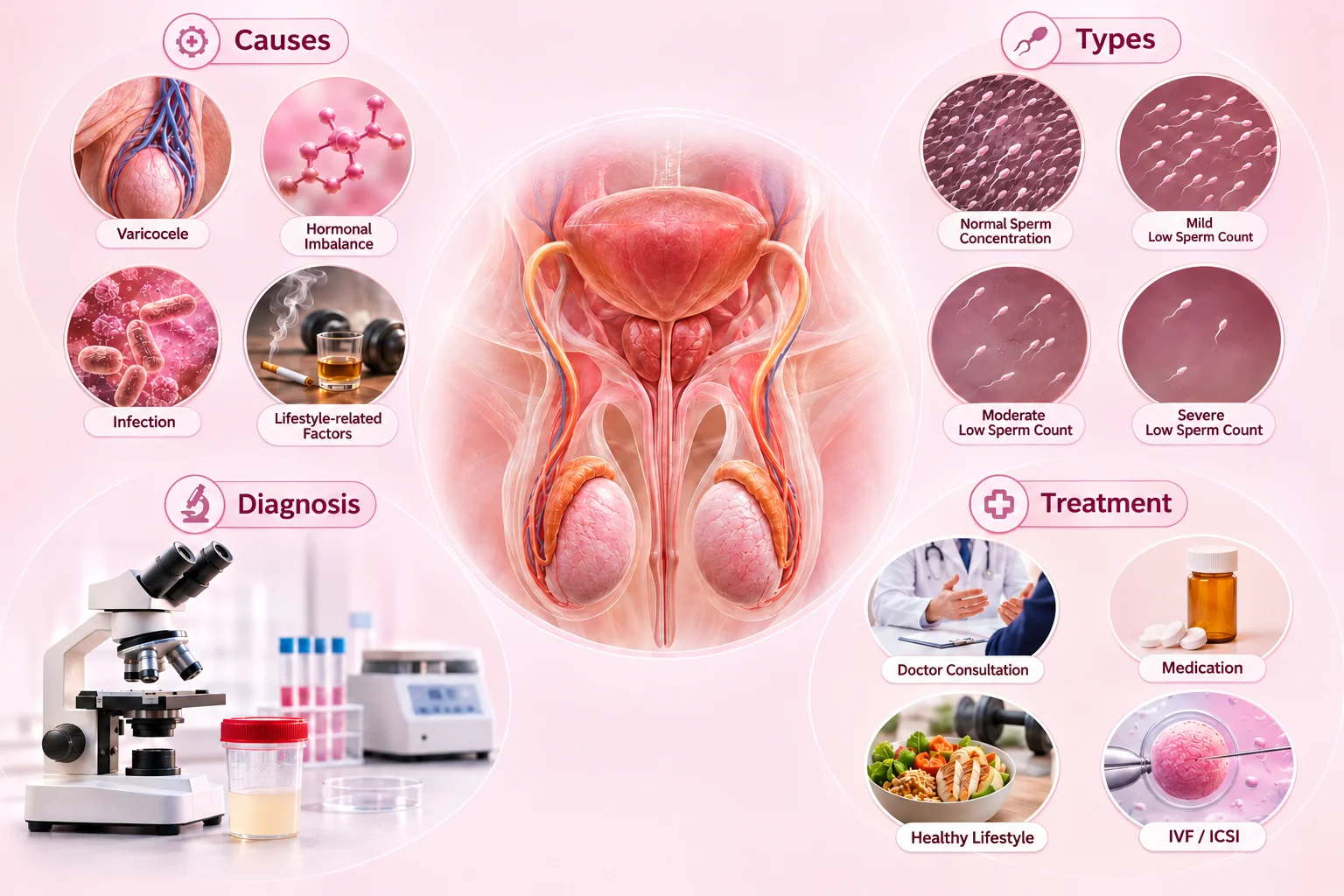
- Mild oligospermia: Sperm concentration is slightly below the reference level.
- Moderate oligospermia: Sperm concentration is lower and may affect the chances of natural conception.
- Severe oligospermia: Sperm concentration is very low and may require further investigation and fertility planning.
A concentration below 5 million sperm per milliliter is often considered severe. Doctors also assess sperm movement, shape, and other semen parameters rather than relying on the sperm count alone.
What Causes Low Sperm Count?
Several factors can affect sperm production, development, or movement through the male reproductive system. According to the NHS guide to low sperm count, low sperm count can affect a man’s ability to conceive naturally.
1. Hormonal Imbalances
Hormones such as follicle-stimulating hormone (FSH), luteinising hormone (LH), and testosterone play important roles in sperm production. Problems affecting the hormonal system may reduce sperm concentration.
2. Varicocele
A varicocele is an enlargement of veins inside the scrotum. It can affect the temperature and function of the testicles, potentially interfering with sperm production.
3. Infections and Inflammation
Certain infections involving the reproductive system may affect sperm production or cause blockages. The impact depends on the type and severity of the infection.
4. Genetic and Medical Conditions
Some genetic conditions, undescended testicles, testicular injuries, and other medical problems can affect sperm production. In some cases, the underlying cause remains unexplained.
5. Lifestyle and Environmental Factors
Smoking, excessive alcohol consumption, anabolic steroid use, some recreational drugs, obesity, and exposure to certain workplace chemicals may negatively affect male reproductive health.
Some medications can also influence sperm production. Prescribed medicines should never be stopped without medical advice.
What Are the Symptoms of Oligospermia?
Oligospermia usually does not cause noticeable symptoms. Many men discover the condition when they undergo fertility testing after experiencing difficulty conceiving.
Depending on the underlying cause, some men may experience:
- Reduced sexual desire
- Difficulty with sexual function
- Testicular discomfort or swelling
- Signs of hormonal imbalance
These symptoms are not specific to oligospermia. A semen analysis is needed to assess sperm concentration.
How Is Low Sperm Count Diagnosed?
Diagnosis usually begins with a medical history, physical examination, and semen analysis.
Semen Analysis
A laboratory examines a semen sample to measure sperm concentration, movement, shape, and other characteristics. Since results can vary, a doctor may recommend repeating the test to confirm an abnormal finding.
Hormone Testing
Blood tests may be recommended to assess testosterone, FSH, and other hormones when a hormonal problem is suspected.
Additional Investigations
Depending on the initial findings, further tests may include a testicular ultrasound, urine tests, or genetic testing. Not every patient needs every test.
Both partners may need fertility assessment because successful conception depends on several factors.
What Are the Treatment Options for Oligospermia?
There is no single treatment suitable for every case. The approach depends on the cause, severity of the condition, and the couple’s reproductive goals.
1. Lifestyle Changes
Doctors may recommend stopping smoking, limiting alcohol, avoiding anabolic steroids, maintaining a healthy weight, and eating a balanced diet. Avoiding excessive heat and relevant environmental exposures may also be advised.
These changes can support reproductive health, but they cannot correct every cause of low sperm count.
2. Medication and Hormonal Treatment
Medication may help when a specific infection or hormonal disorder is identified. Hormonal treatment is appropriate only for selected conditions and should be prescribed after proper evaluation.
Testosterone replacement therapy can suppress sperm production, so men trying to conceive should discuss its effects on fertility with their doctor.
3. Surgery for Selected Conditions
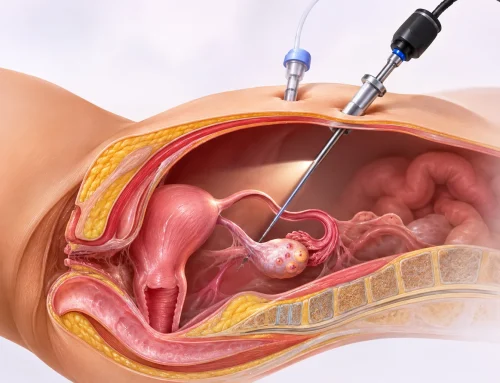
Surgery may be considered for certain cases of varicocele or a correctable blockage in the reproductive tract. Whether it is appropriate depends on the examination findings and fertility assessment.
4. Assisted Reproductive Techniques
When natural conception is difficult, fertility specialists may discuss assisted reproductive options.
- Intrauterine insemination (IUI): Prepared sperm are placed inside the uterus when the sperm parameters and other fertility factors make this approach suitable.
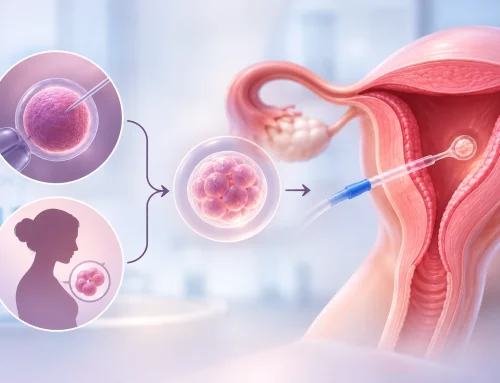
- In vitro fertilisation (IVF): Eggs and sperm are combined in a laboratory to achieve fertilisation.
- Intracytoplasmic sperm injection (ICSI): A single sperm is injected directly into an egg. This technique may be considered in cases of significant male-factor infertility.
The most appropriate option depends on sperm availability, the partner’s fertility assessment, and other clinical factors.
When Should You Consult a Fertility Specialist?
Consider a fertility evaluation if you and your partner have been trying to conceive for 12 months without success. An earlier assessment may be appropriate when the female partner is 35 or older, has known fertility concerns, or either partner has a medical history that may affect fertility.
An abnormal semen analysis also warrants medical review, particularly if the sperm count is very low.
Conclusion
Oligospermia is a common male fertility concern that can have several underlying causes. Understanding the condition and obtaining an appropriate medical evaluation are important steps towards making informed decisions.
At Flora Fertility Centre, individuals and couples can seek professional guidance to understand fertility concerns and discuss suitable assessment and management options. The recommended approach should be based on individual medical findings, without assuming that one treatment is appropriate for everyone.
Medical note: This article is intended for general educational purposes and does not replace consultation with a qualified healthcare professional.